
Accident Forgiveness Carriers for Pennsylvania Seniors 75+
Free to compare
Why Accident Forgiveness Pricing Looks Different at 75
You opened renewal notices from three carriers advertising accident forgiveness, and the premiums are hundreds of dollars apart for what looks like the same feature. The gap exists because accident forgiveness is an add-on priced on top of your base premium, and at 75 your base premium reflects both standard age-based rating and the mature-driver discount Pennsylvania requires insurers to offer. The discount floor is 5% by statute, but each carrier sets the actual amount above that, and the amount they apply determines whether accident forgiveness remains affordable or pushes total cost past what you'd pay switching to a carrier without it.
Accident forgiveness protects your rate after a first at-fault accident, preventing the surcharge that would otherwise apply at renewal. For drivers in the 75-and-older bracket, that protection has real value: a single accident can trigger a non-renewal notice from some carriers or a rate increase that makes staying with that insurer unsustainable. But forgiveness is only cost-effective if the base premium underneath it reflects the full mature-driver discount you qualify for, and most carriers do not surface that discount amount unless you ask your agent to confirm what was applied.
“The cheapest carrier is the one whose mature-driver discount brings your base premium low enough that adding forgiveness keeps total cost competitive.”

Find Coverage That Fits Driving Past 75
Compare Auto Insurance for Drivers 75+5%
Pennsylvania Statutory Discount Floor
Pennsylvania law requires insurers to offer at least 5% off for drivers 55 and older who complete a state-approved driver improvement course. Carriers may offer more than 5%, but they set the actual percentage. The statute guarantees the floor, not the ceiling.
75 Pa.C.S. §1799.2
Which Carriers Write Accident Forgiveness in Pennsylvania
Geico, Progressive, State Farm, and Nationwide write accident forgiveness policies in Pennsylvania and all four operate online quote systems. Geico and Progressive serve standard and non-standard tiers; State Farm operates in the preferred tier; Nationwide writes standard-tier business. All four are licensed statewide and write policies for drivers 75 and older, though State Farm and Nationwide have historically been more selective about age-bracket underwriting in the upper ranges.
Allstate, Liberty Mutual, and Travelers also offer accident forgiveness in the state, and all three are standard-tier carriers with online quoting. Erie writes preferred-tier business and offers forgiveness through agents only. Hartford operates in the standard tier with online quotes. These carriers vary in how they handle age-based rating after 75: some tighten underwriting guidelines at renewal, others apply steeper rate increases after a claim regardless of forgiveness, and a few have been observed non-renewing policies in the 80-and-older bracket without a clear claims trigger.
The cheapest carrier is not the one advertising the lowest accident forgiveness fee. The cheapest carrier is the one whose mature-driver discount brings your base premium low enough that adding forgiveness keeps total cost competitive with a carrier that charges less for forgiveness but applies a smaller discount to the base.
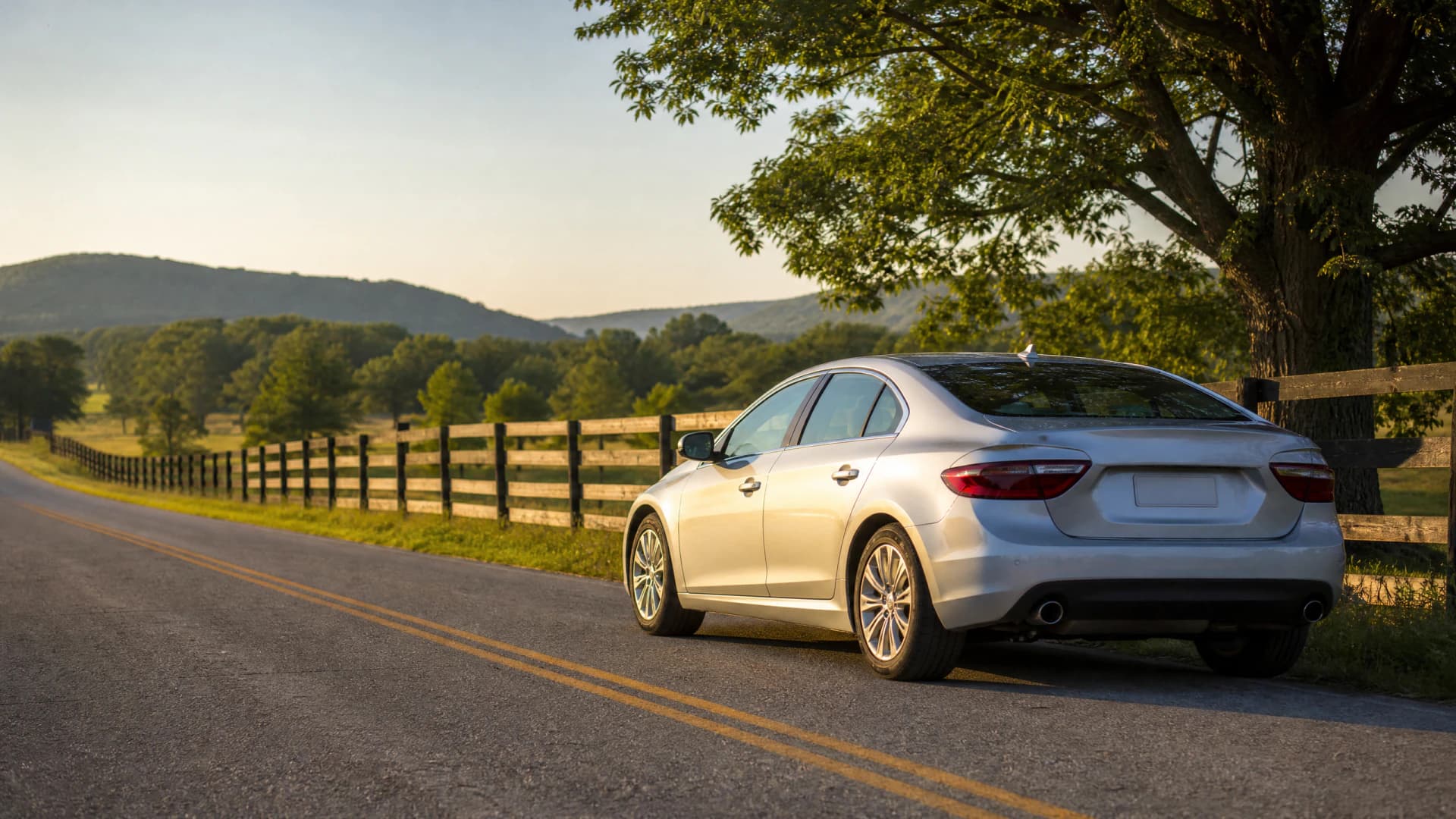
The mature-driver discount amount is set by each insurer and most do not publish it. You must ask your agent what percentage was applied to your policy.
Related Articles

Cheapest Accident Forgiveness for Seniors — WI
6/11/2026

Accident Forgiveness Carriers OH Seniors
6/11/2026
SC Accident Forgiveness for Seniors 75+
6/11/2026
SD Accident Forgiveness: Cheapest Carriers
6/11/2026

Accident Forgiveness for TX Seniors Over 75
6/11/2026

Cheapest Accident Forgiveness Carriers WY
6/11/2026

Pennsylvania's Approved Course List and How It Changes Your Rate
Pennsylvania's 5% statutory discount applies only after you complete a state-approved driver improvement course. The Pennsylvania Department of Transportation maintains the approved-provider list, and courses not on that list do not qualify regardless of what the provider advertises. AARP, AAA, and NSC offer approved courses; many online providers market to seniors but are not on the state list. Verify approval status with PennDOT before paying for a course.
The discount applies at your next renewal after you submit the completion certificate to your insurer. It does not apply retroactively to the current policy period. If your renewal is three months away and you complete the course now, you wait three months to see the discount. If the certificate expires before renewal—most certificates are valid for three years from course completion—the discount lapses and you must retake the course to restore it. Some carriers do not automatically re-apply the discount at the next renewal after expiration; you must submit a new certificate even if you are still within the three-year validity window from the prior course.
Accident forgiveness pricing does not change when the mature-driver discount is applied or removed. The forgiveness fee is a flat add-on. What changes is the base premium to which that fee is added. A lapsed discount raises your base premium back to the pre-discount level, which makes forgiveness more expensive in total cost even though the forgiveness fee itself stayed the same.
$15,000
Pennsylvania Bodily Injury Minimum Per Person
Pennsylvania's minimum liability limits are $15,000 per person, $30,000 per accident, and $5,000 property damage. Seniors with retirement assets or home equity exposed in an at-fault accident typically carry higher limits. Accident forgiveness does not change your liability exposure; it prevents the rate increase after a claim, but the claim itself still happens and your limits still apply.
75 Pa. C.S. (state minimum liability requirements)

Non-Renewal Risk and What Forgiveness Does Not Prevent
Accident forgiveness prevents the rate surcharge after a first at-fault accident. It does not prevent non-renewal. Pennsylvania insurers can non-renew a policy for underwriting reasons, and a claim—even a forgiven one—can trigger a non-renewal decision if the carrier's underwriting guidelines flag your age bracket or claims history as higher risk. Some carriers treat forgiveness as a retention tool and renew the policy without a surcharge. Others interpret forgiveness as rate protection only and still non-renew based on the claim itself.
Drivers in the 75-and-older range report non-renewal patterns that vary by carrier. State Farm and Allstate have both been observed non-renewing policies after a single at-fault claim despite accident forgiveness being in place. Geico and Progressive more commonly renew the policy and honor the forgiveness by holding the rate flat. These are not universal rules; each non-renewal decision is filed individually with the state and driven by the carrier's internal underwriting guidelines for that policy's risk profile.
What to Compare When the Quotes Come Back
Request quotes with accident forgiveness included and separately without it. The difference between those two figures is the actual cost of forgiveness at that carrier. Compare that cost across carriers, then compare the base premiums with the mature-driver discount applied. The carrier with the lowest total cost is not always the carrier with the lowest forgiveness fee.
Ask each agent or quote system to confirm the mature-driver discount percentage applied to your quote. If the discount is only 5%, ask whether the carrier offers a higher percentage for course completion and whether that amount is automatic or requires annual re-enrollment. Some carriers apply the discount once and leave it in place until the certificate expires; others require you to re-certify eligibility every renewal cycle even if the certificate is still valid. That procedural difference changes the effective cost of the discount over time.

Next Step: Request Quotes with Both Scenarios
Contact at least three carriers licensed in Pennsylvania—start with Geico, Progressive, and State Farm because all three write both accident forgiveness and policies for drivers 75 and older. Request two quotes from each: one with accident forgiveness included, one without. Ask the agent to state the mature-driver discount percentage applied to each quote. If you have not yet completed a state-approved course, request both scenarios: one quote assuming the 5% statutory minimum, one assuming you complete the course and submit the certificate before the policy binds. Compare total annual cost across carriers with forgiveness added, then decide whether the protection justifies the fee for your driving profile and claims history.
How the Discount and Forgiveness Interact on Your Premium
If Carrier A charges $15 per month for accident forgiveness but only applies a 5% mature-driver discount, and Carrier B charges $25 for forgiveness but applies a 12% discount, Carrier B may cost less overall because the larger discount reduces the base premium by a greater amount than the difference in forgiveness fees. The math works in your favor when the discount percentage is larger, even if the forgiveness fee is higher.
Most carriers require you to have been claims-free for a set period before forgiveness applies—typically three to five years. If you had an at-fault accident in the past four years, forgiveness may not be available yet, and comparing carriers on forgiveness pricing is premature. Confirm eligibility before requesting quotes that include the endorsement. Some carriers will quote it anyway and remove it at binding if you don't meet the lookback requirement, which wastes time and produces misleading cost comparisons.
Get Your Free Quote
Compare Auto Insurance for Drivers 75+Frequently Asked Questions
Does accident forgiveness protect me from non-renewal in Pennsylvania?
No. Accident forgiveness prevents the rate surcharge after a first at-fault accident, but Pennsylvania insurers can still non-renew your policy for underwriting reasons. Some carriers treat the claim as a retention risk regardless of forgiveness and non-renew based on age bracket or claims history.
How do I know if my Pennsylvania insurer applied the mature-driver discount?
Ask your agent or call the carrier directly and request confirmation of the discount percentage applied to your current policy. The 5% statutory minimum is not automatic; it applies only after you complete a state-approved course and submit the certificate. Carriers may apply more than 5%, but you must ask to find out the actual amount.
Can I add accident forgiveness to an existing Pennsylvania policy?
Most carriers allow you to add accident forgiveness at renewal if you meet the claims-free lookback requirement, typically three to five years. You cannot add it mid-term after an accident has already occurred. Contact your agent before your renewal date to request the endorsement and confirm eligibility.
What happens if my mature-driver course certificate expires before renewal?
The discount lapses and your base premium increases back to the pre-discount level at your next renewal. Some carriers automatically remove the discount when the certificate expires; others require you to notify them. You must complete a new state-approved course and submit a new certificate to restore the discount.
Which Pennsylvania carriers write accident forgiveness for drivers over 75?
Geico, Progressive, State Farm, Nationwide, Allstate, Liberty Mutual, Travelers, Erie, and Hartford all write accident forgiveness policies in Pennsylvania. Availability for drivers 75 and older varies by carrier and your specific risk profile. State Farm and Erie operate in the preferred tier and may be more selective about age-bracket underwriting.