
Cheapest Carriers with Accident Forgiveness — Wisconsin
Free to compare
When Accident Forgiveness Becomes a Decision Point After Decades of Clean Driving
You have been with the same carrier for twenty years with no claims. Your renewal notice arrived with a premium increase and a rider offer for accident forgiveness you have never considered before. Now you are weighing whether to add it, what it costs, and whether it actually protects you at 75-plus when one at-fault accident increasingly triggers non-renewal rather than just a surcharge.
Accident forgiveness is sold as rate protection after your first at-fault claim, but the decision to buy it must happen before the claim. Wisconsin law does not require carriers to offer it and does not cap what they charge for it. That means the program terms, eligibility age ceiling, and premium are set unilaterally by each carrier. What matters now is identifying which carriers writing your age bracket offer it, what the pre-claim cost is, and how it interacts with the non-renewal risk that becomes material after age 75.
“Accident forgiveness prevents the rate increase but does not prevent non-renewal, and at 75-plus one at-fault claim often triggers both.”

Find Coverage That Fits Driving Past 75
Compare Auto Insurance for Drivers 75+25
Carriers Writing Wisconsin Auto
Wisconsin's competitive carrier landscape includes 25 companies confirmed writing auto policies in-state, spanning preferred, standard, and non-standard tiers. Not all write drivers 75-plus, and fewer still offer accident forgiveness without age caps.
Wisconsin Office of the Commissioner of Insurance carrier directory
What Accident Forgiveness Actually Protects and What It Does Not
Accident forgiveness prevents your rate from increasing after your first at-fault claim during the policy term. The claim still goes on your record. The carrier still reports it to the state and to claims databases. The forgiveness applies only to the rating surcharge that would otherwise appear at your next renewal.
What it does not do: prevent non-renewal. Wisconsin carriers retain full discretion to non-renew policies for underwriting reasons, including at-fault accidents. A forgiven claim still signals increased risk to the underwriting department. At 75-plus, one at-fault accident often triggers a non-renewal notice even when the rate was forgiven, because the carrier's age-bracket risk model treats the claim as evidence of declining reaction time or attention rather than an isolated event.
The clearest value proposition is for drivers whose premium would increase steeply after a claim and who plan to stay with the same carrier for multiple renewal cycles. If you are comparing carriers annually or expect to shop after any claim, the forgiveness benefit evaporates because it does not transfer to a new insurer.
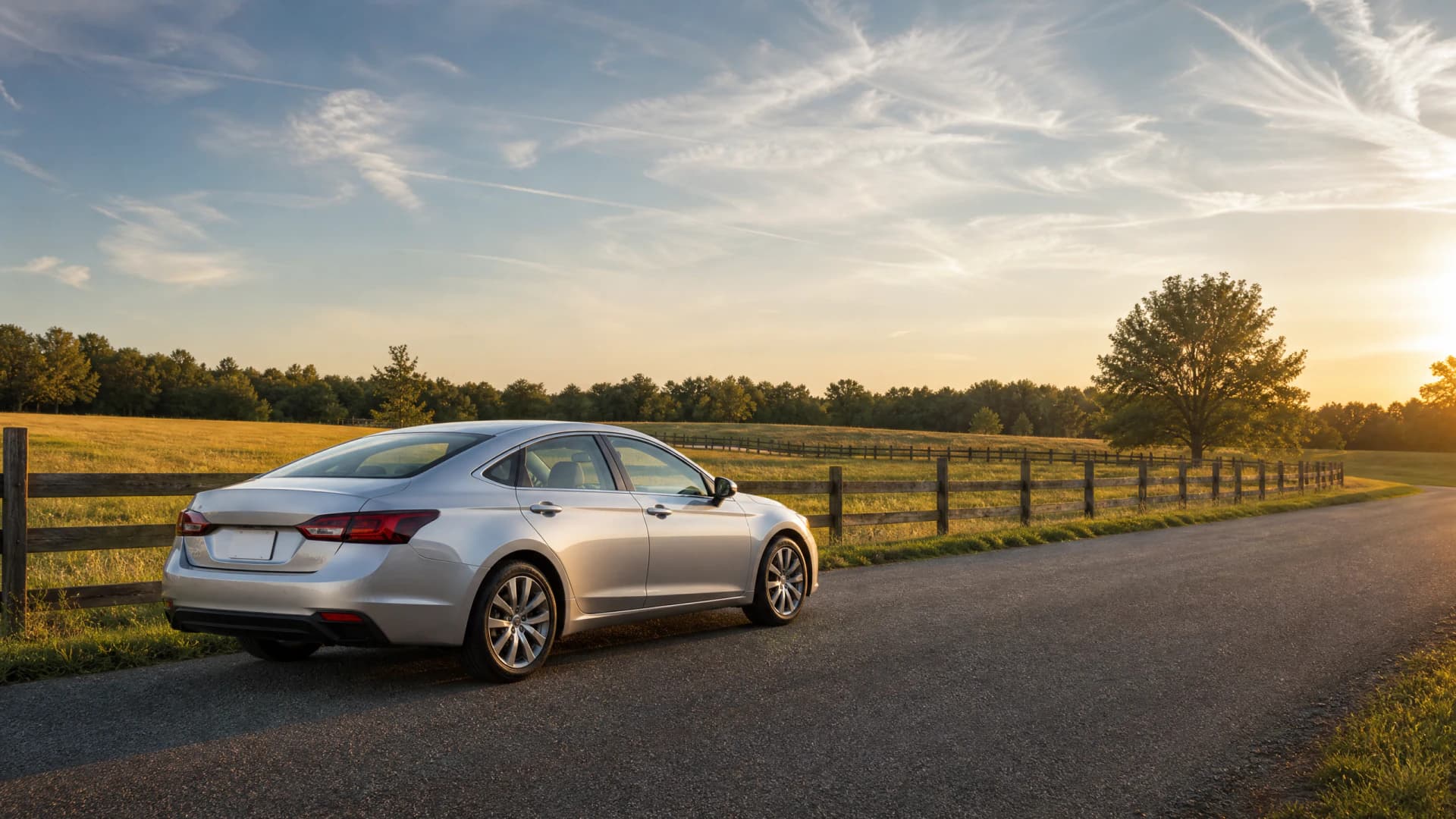
Accident forgiveness purchased after a claim has already occurred does not apply retroactively. The rider must be active on the policy before the accident date.
Related Articles





How Pre-Claim Cost Compares Across Tiers and What Justifies the Premium
Accident forgiveness riders typically add a percentage of your base premium, not a flat dollar amount. That structure means the cost scales with your existing rate. If your annual premium is higher due to age-bracket rating, the rider cost increases proportionally. Wisconsin carriers do not publish accident forgiveness pricing in rate filings accessible to consumers, so the only way to learn the cost is to request a quote with and without the rider from each carrier you are comparing.
The justification calculus: compare the annual rider cost to the surcharge you would face after an at-fault claim. Wisconsin carriers typically apply a surcharge of 20 to 40 percent of your base premium after a first at-fault accident, lasting three years. If the forgiveness rider costs less annually than one year of that surcharge, and you plan to stay with the carrier for at least three renewal cycles, the rider pays for itself after one forgiven claim.
The weak point in that logic at 75-plus: non-renewal risk. If the carrier non-renews you after the claim despite forgiving the rate increase, you pay the rider premium but receive no benefit. You then enter the non-standard market where your new carrier will surcharge the claim anyway because forgiveness does not transfer.
$25,000
Wisconsin Bodily Injury Minimum Per Person
Wisconsin requires $25,000 per person, $50,000 per accident bodily injury liability, and $10,000 property damage. Accident forgiveness applies only to your premium; it does not change your liability exposure or the claim payout the other party receives.
Wis. Stat. § 344.62

Mature-Driver Discount Coordination and What Happens When Both Apply
Wisconsin law does not mandate a mature-driver discount, so carriers offer one voluntarily or not at all. When a carrier does offer a mature-driver discount and you qualify, it applies to your base premium before accident forgiveness pricing is calculated. That sequencing matters because the forgiveness rider cost scales from your already-discounted base rate, not your pre-discount rate.
If you complete a state-approved defensive driving course and submit the certificate to your carrier, ask the agent to confirm that both the mature-driver discount and accident forgiveness remain active on your policy. Some carriers require re-enrollment in accident forgiveness after policy changes or discounts are applied. Failing to confirm this leaves you paying for a rider that is no longer attached to your policy.
The approved course list is maintained by Wisconsin's Department of Transportation. Courses completed through providers not on that list do not qualify for the discount, even if the carrier markets them as mature-driver programs. Verify the provider's approval status before enrolling.
Non-Standard Carrier Options When Preferred Carriers Non-Renew
When a preferred carrier non-renews your policy after an at-fault claim, your next step is the non-standard market. Liability insurance through non-standard carriers costs more per dollar of coverage than preferred-tier equivalents, but several non-standard carriers writing Wisconsin accept drivers 75-plus with recent at-fault claims. Dairyland, Bristol West, GAINSCO, and The General all write Wisconsin non-standard auto and accept applicants in your age bracket with claims history.
Non-standard carriers do not offer accident forgiveness. The feature is a preferred-tier and standard-tier product. Once you move to the non-standard market, rate protection after future claims is not available. Your focus shifts to maintaining continuous coverage and avoiding additional claims that would push you toward assigned risk or state programs.

Next Step: Compare Accident Forgiveness Cost Against Your Claim-History Profile
Request quotes from State Farm and Progressive with and without accident forgiveness added. Ask each agent to confirm the eligibility age ceiling and the lookback period required for a clean record. Compare the annual rider cost to your current premium and calculate what a 20 to 40 percent surcharge for three years would cost if you had a claim tomorrow. If the math justifies it and you plan to stay with the carrier long-term, add the rider before any incident occurs. If you are comparing carriers annually or expect to reduce driving significantly in the next few years, the rider's value weakens and you may be better served by setting aside the rider premium as a self-insured reserve instead.
Which Wisconsin Carriers Offer Accident Forgiveness to Drivers 75-Plus
State Farm writes Wisconsin drivers 75-plus and offers accident forgiveness as a rider option. Eligibility requires a clean driving record for a carrier-defined lookback period, typically three to five years. The rider cost is not published and varies by your base premium and risk tier. State Farm holds an AM Best A+ rating and remains one of the most accessible preferred-tier carriers for this age bracket in Wisconsin.
Progressive offers Large Accident Forgiveness as part of its Loyalty Rewards program after five years of continuous coverage with no at-fault accidents. The program is automatic for qualifying policyholders and does not require an additional rider purchase. Progressive writes drivers 75-plus in Wisconsin and maintains standard-tier pricing for clean records. The five-year waiting period makes this viable only if you have been with Progressive continuously or are willing to commit long-term before the benefit activates.
Get Your Free Quote
Compare Auto Insurance for Drivers 75+Frequently Asked Questions
Does accident forgiveness transfer if I switch carriers in Wisconsin?
No. Accident forgiveness is a policy feature tied to your current carrier. If you switch to a new carrier, the forgiveness benefit does not transfer, and the new carrier will rate your claim history as if the forgiven accident never had forgiveness applied. The claim remains on your record and will affect your rate with any new insurer.
Can I add accident forgiveness after an accident has already happened?
No. Accident forgiveness must be active on your policy before the accident occurs. Adding it after a claim does not apply forgiveness retroactively. If you have already had an at-fault accident, your rate will reflect the surcharge and forgiveness cannot remove it.
Do all Wisconsin carriers that offer accident forgiveness have age caps?
Not all carriers publish age caps, but many restrict accident forgiveness eligibility to drivers under 70 or 72. State Farm and Progressive are confirmed to write drivers 75-plus and offer accident forgiveness without explicit age cutoffs in public documentation, but each carrier sets its own underwriting rules. Ask your agent directly whether the carrier's accident forgiveness program has an age ceiling.
How does Wisconsin's mature-driver discount interact with accident forgiveness pricing?
The mature-driver discount applies to your base premium first. Accident forgiveness rider cost is calculated from your discounted base rate, not your pre-discount rate. That sequencing lowers the rider's absolute cost, but Wisconsin law does not mandate the mature-driver discount, so not all carriers offer it. Verify both are active on your policy after making any coverage changes.
What happens if I have accident forgiveness and the carrier non-renews me after a claim?
Accident forgiveness prevents the rate surcharge at renewal, but it does not prevent non-renewal. If the carrier non-renews your policy after an at-fault claim, you lose access to the forgiveness benefit going forward and must find coverage elsewhere. The claim remains on your record and will be rated by your next carrier without forgiveness applied.