
Carriers with Accident Forgiveness — Washington
Free to compare
The Discount You Earned Is Not the Discount You Keep
You took the defensive driving course. Your carrier applied the mature-driver discount RCW 48.19.460 requires. Your premium dropped. Then you backed into a parked car at the grocery store—minor damage, no injuries—and at renewal your rate climbed higher than it was before the discount. The law guarantees the initial discount; it does not guarantee the discount survives your first at-fault accident.
Accident forgiveness prevents that reset. It locks your base rate through one at-fault accident, protecting both your clean-driving tier and the mature-driver discount already applied. Without forgiveness, the accident moves you into a surcharged tier and the discount disappears because the new tier recalculates from a higher base. The friction: most carriers separate the mature-driver discount program from accident forgiveness enrollment, and few explain that pairing them is what protects the discount you already earned.
“Accident forgiveness does not transfer when you switch carriers. The five-year clock resets, and most carriers cap new-policy age at 80.”

Find Coverage That Fits Driving Past 75
Compare Auto Insurance for Drivers 75+$25,000
WA Bodily Injury Minimum (Per Person)
Washington requires 25/50/10 liability minimums. Seniors with retirement assets often carry higher limits because one at-fault accident exposes savings, home equity, and estate value beyond the statutory floor.
RCW 46.29.090
How the Mature-Driver Discount Interacts with Claims
RCW 48.19.460 requires every insurer writing auto policies in Washington to offer a mature-driver discount to operators aged 55 and older. The statute does not fix the percentage—each carrier sets its own amount—but the discount is mandatory. Once applied, the discount reduces your base premium by whatever percentage the carrier determined.
An at-fault accident triggers a surcharge. That surcharge is applied to your base rate, but the accident also moves you into a higher rating tier. Your new tier recalculates the premium from a higher starting point, and the mature-driver discount now applies to that higher base. The net effect: even with the discount still technically active, your premium after the accident exceeds what you paid before you qualified for the discount in the first place.
Accident forgiveness changes the structure. When forgiveness is active on your policy, the first at-fault accident does not trigger the surcharge and does not move you into a surcharged tier. Your base rate stays where it was. The mature-driver discount continues to apply to the same base, and your premium at renewal stays flat. The accident appears on your record but does not affect your rate.
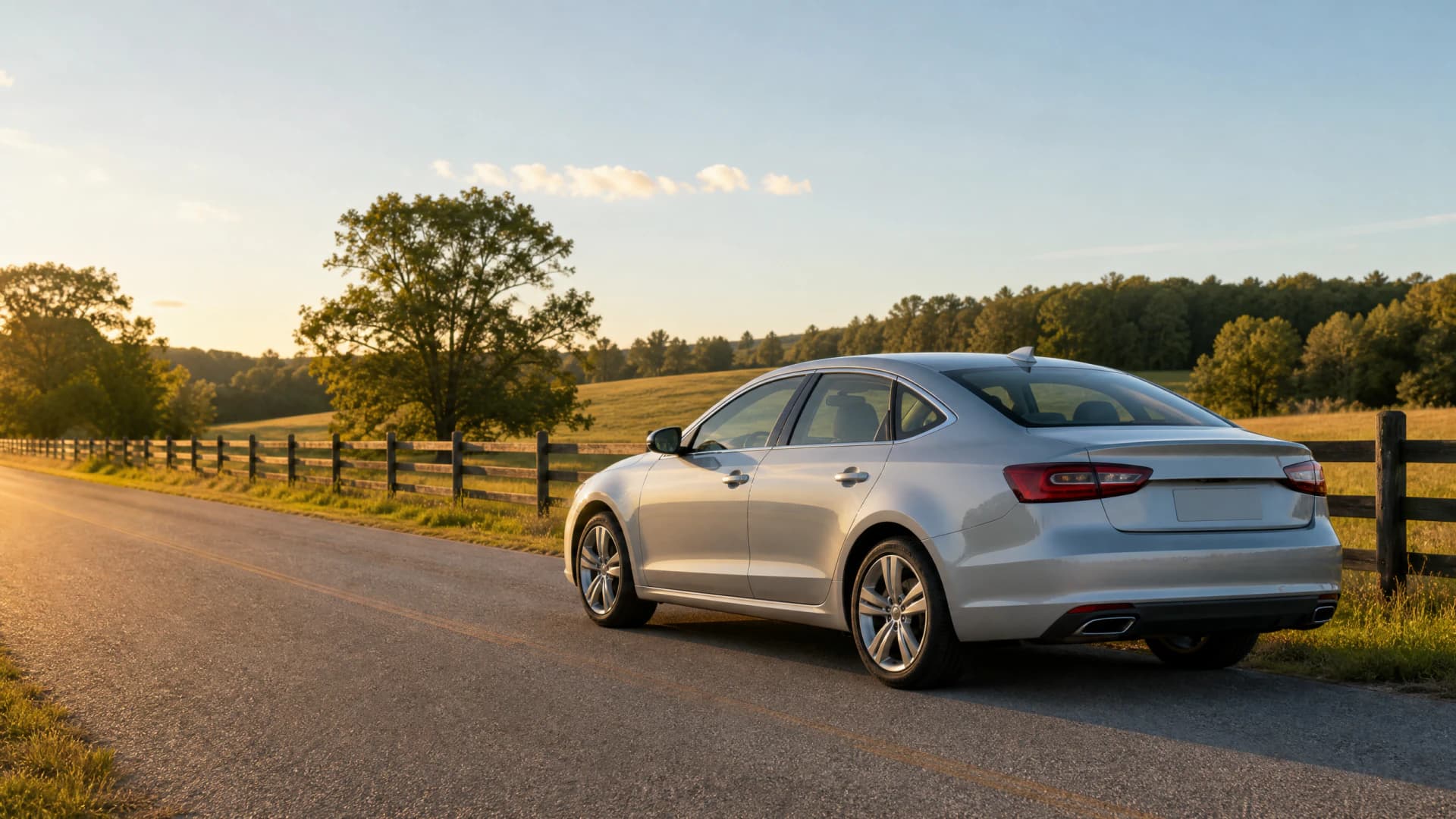
The blocker: carriers enroll accident forgiveness as a separate rider, often requiring five years of claims-free history. You must ask; they rarely offer it automatically at 75.
Related Articles

Cheapest Accident Forgiveness for Seniors — WI
6/11/2026

SC Accident Forgiveness for Seniors 75+
6/11/2026

VA Accident Forgiveness: Cheapest Carriers
6/11/2026

OR Accident Forgiveness & Senior Discounts
6/11/2026

SD Accident Forgiveness: Cheapest Carriers
6/11/2026

WV Accident Forgiveness for Seniors 75+
6/11/2026

What Happens When You Switch Carriers After 75
Accident forgiveness does not transfer when you move to a new carrier. If you held forgiveness with your prior insurer and switch to a new one, the five-year claims-free clock resets. You start over. For drivers over 75, this creates a timing problem: most carriers offering forgiveness require five consecutive years with the company before the rider activates, and underwriting restrictions tighten for new policies written after age 80.
If you are 76 and switch carriers, you will not qualify for accident forgiveness until age 81—if the new carrier's underwriting guidelines still allow new-policy issuance at that age. Some carriers cap new-policy age at 79 or 80, which functionally eliminates forgiveness access for drivers who switch late. The mature-driver discount transfers immediately because the statute mandates it, but forgiveness eligibility does not.
The sequence matters. If you already hold accident forgiveness with your current carrier, evaluate whether a lower premium elsewhere justifies losing five years of forgiveness tenure. If you do not yet hold forgiveness and you are under 75, ask your current carrier whether adding the rider now locks you in before age-based underwriting restrictions tighten. If you are already over 75 and switching carriers, confirm whether the new carrier will issue forgiveness at all once you meet the tenure requirement, or whether an age cap will block it.
17
Carriers Writing Standard Policies in WA
Seventeen carriers confirmed as writing standard or preferred-tier auto policies in Washington include State Farm, Geico, Progressive, Nationwide, Allstate, and Travelers. Not all offer accident forgiveness, and fewer extend forgiveness enrollment to drivers over 80.
Washington Office of the Insurance Commissioner licensure data

When Forgiveness Conflicts with Full Coverage Decisions
Full coverage makes sense when the vehicle's value justifies the annual premium. For most drivers over 75, that threshold sits somewhere between $5,000 and $8,000 in vehicle value. Below that, liability-only coverage paired with accident forgiveness delivers better value: your rate stays flat after an at-fault accident, and you avoid paying collision premiums on a vehicle you could replace for less than three years of coverage cost.
The decision shifts when the vehicle is your only transportation and replacement cost exceeds your liquid savings. In that case, keeping comprehensive coverage protects against theft, weather, and animal strikes—risks unrelated to your driving—and collision coverage ensures you can repair the car after an at-fault accident without depleting cash reserves. Accident forgiveness then serves double duty: it prevents the rate increase and keeps the mature-driver discount intact, lowering the net cost of maintaining full coverage.
Ask your carrier for a collision-only quote and a liability-only quote, both with accident forgiveness active. Compare the annual premium difference against the vehicle's current resale value. If the difference equals or exceeds the vehicle's value within three years, dropping collision makes financial sense. If your vehicle is paid off and worth less than $6,000, liability with forgiveness usually costs less over five years than full coverage without forgiveness.
Compare Carriers That Will Write Your Policy Now
Start by confirming whether your current carrier offers accident forgiveness and whether you meet the tenure requirement. If you have been with the same carrier for five years and maintained a clean record, ask whether adding forgiveness as a rider is available and what the annual cost is. If forgiveness is already active, calculate what switching to a lower-premium carrier would cost you in lost forgiveness protection over the next five years.
If you do not yet hold forgiveness and your current carrier does not offer it, request quotes from State Farm, Nationwide, Progressive, Geico, and Allstate. Each writes policies in Washington and each offers some form of accident forgiveness. Ask three questions of each carrier: does the mature-driver discount apply automatically or do I need to submit documentation? Is accident forgiveness available to new policyholders over 75, and what is the tenure requirement before it activates? Does your underwriting allow new-policy issuance for drivers over 80, and will forgiveness remain available at that age if I meet the tenure requirement? Compare the base premium, the discount amount, the forgiveness cost, and the total five-year cost including the risk that one accident raises your rate if forgiveness is not yet active.
Which Carriers Pair the Discount with Forgiveness
State Farm, Nationwide, and Allstate each offer accident forgiveness as an add-on rider, but eligibility depends on how long you have held a policy with the carrier and whether you have had a claim in the prior three to five years. State Farm's program requires five years of claims-free driving with the company before forgiveness applies. Nationwide offers immediate forgiveness to drivers who meet the tenure requirement at the time they add the rider. Allstate's program forgives the first accident after enrollment but only if you remained claims-free for the prior five years. All three carriers write standard-tier policies in Washington and will apply the mandatory mature-driver discount alongside forgiveness if both are active.
Progressive and Geico both offer accident forgiveness but structure it differently. Progressive includes a small-accident forgiveness feature automatically for drivers who meet tenure and clean-record thresholds, forgiving accidents below a damage threshold without requiring a separate rider purchase. Geico's accident forgiveness is available as a paid add-on after five years with the carrier and a clean driving record during that period. Both carriers write standard and non-standard policies in Washington, and both apply the state-mandated mature-driver discount. Neither forgiveness program expires at a specific age, but underwriting rules for drivers over 80 may limit new-policy eligibility, making it harder to establish the five-year tenure requirement if you switch carriers after that age.
Get Your Free Quote
Compare Auto Insurance for Drivers 75+Frequently Asked Questions
Does Washington require carriers to offer accident forgiveness to senior drivers?
No. Washington requires carriers to offer a mature-driver discount under RCW 48.19.460, but accident forgiveness is optional. Carriers set their own eligibility rules for forgiveness, and many require five years of claims-free history before the rider activates.
Can I add accident forgiveness to my policy after age 75?
Yes, if you meet the carrier's tenure and claims-history requirements. Most carriers require five consecutive years with the company and no at-fault accidents during that period. Some carriers cap new-policy issuance at age 79 or 80, which can block forgiveness access if you switch carriers late.
Does accident forgiveness protect the mature-driver discount after a claim?
Yes. Accident forgiveness prevents the surcharge and tier change that follow an at-fault accident. Without forgiveness, the accident moves you into a higher rating tier, and the mature-driver discount applies to a higher base rate. With forgiveness, your base rate and discount both remain unchanged.
What happens to accident forgiveness if I switch to a new carrier?
It does not transfer. You must restart the tenure clock with the new carrier, typically five years, before forgiveness eligibility begins. For drivers over 75, this creates a risk that age-based underwriting caps will block forgiveness access before the tenure requirement is met.
Should I keep full coverage if I have accident forgiveness?
It depends on your vehicle's value and your liquid savings. If the car is worth less than $6,000 and you can replace it without depleting cash reserves, liability-only coverage with accident forgiveness usually costs less over five years than full coverage without forgiveness. If the vehicle is your only transportation and replacement cost exceeds your savings, keep comprehensive and collision alongside forgiveness.