
Returning to Driving After Knee Replacement — Virginia
Free to compare
You Were Cleared to Drive, Now You're Wondering What Your Insurer Needs to Know
Your orthopedic surgeon signed the clearance form six weeks after your knee replacement. You can bear weight, you can pivot your right foot from gas to brake without hesitation, and your pain medication is down to over-the-counter ibuprofen taken at night. The physical recovery question is settled. The insurance question is not: does Virginia require you to report the surgery to your carrier, and does your premium change when you do?
Virginia law imposes no medical-event disclosure requirement on drivers returning from knee replacement or any other orthopedic procedure. You are not required to notify your insurer that you had surgery, that you stopped driving temporarily, or that your doctor cleared you to resume. The disclosure obligation runs the other way: your carrier must ask specific underwriting questions at application or renewal, and you must answer them truthfully. If they do not ask about recent surgeries or medical procedures, you have no duty to volunteer the information.
“The surgery itself does not change your rate. The fender-bender you had two weeks post-op while your reaction time was still slower than normal does.”

Find Coverage That Fits Driving Past 75
Compare Auto Insurance for Drivers 75+$130–$143
Monthly Senior Premium Range
Virginia seniors aged 65-99 pay $130 to $143 per month on average for auto insurance, per MoneyGeek and Insure.com 2026 senior-by-state data. Your post-recovery rate depends on your driving record and claims history, not the fact of the surgery itself.
MoneyGeek + Insure.com senior-by-state rate benchmarks, age 65-99, 2026
What Virginia Law Actually Requires After Orthopedic Surgery
Virginia does not maintain a medical-review board for driver licensing, does not require physician reporting of surgical procedures that temporarily impair driving ability, and does not require you to surrender your license during recovery from knee replacement. The DMV's medical-review process is complaint-driven: a family member, law enforcement officer, or physician can file a request for re-examination, but no automatic trigger exists for orthopedic procedures.
Your insurance carrier operates under the same framework. Virginia insurance regulations permit carriers to ask health-related questions at application and renewal, but they do not require you to disclose medical events that occur mid-policy unless those events result in a license suspension or restriction. A knee replacement with full recovery and doctor clearance produces neither. If your renewal questionnaire asks whether you have experienced any medical condition that impairs your ability to drive safely, you answer based on your current functional status, not your surgical history.
The gap most seniors miss: your carrier can non-renew your policy at age 75 or older for any underwriting reason permitted by Virginia law, including claims frequency, and a post-surgery at-fault accident during your recovery period counts as a standard at-fault claim. The surgery itself does not change your rate. The fender-bender you had two weeks post-op while your reaction time was still slower than normal does.
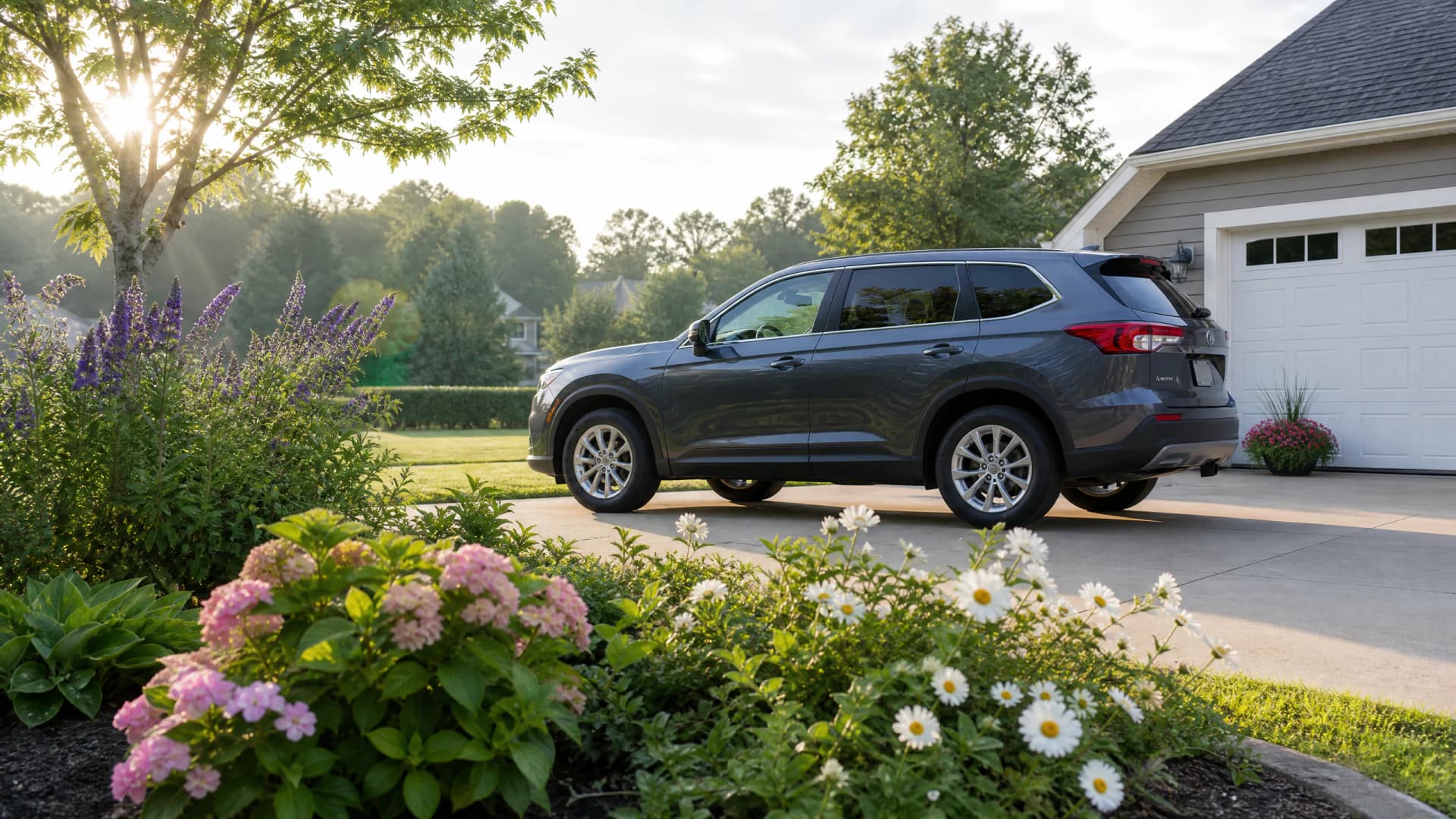
Virginia carriers can non-renew policies at 75+ for claims frequency, and a post-recovery accident triggers the same surcharge as any other at-fault claim, regardless of surgical history.
Related Articles

Knee Replacement Driving Recovery — Vermont
7/13/2026

Driving After Knee Replacement in WV: What Seniors Must Know
4/29/2026

Driving After Hip Replacement in VA: Timeline & Rules
4/29/2026

Driving After Knee Replacement in Colorado (75+)
4/29/2026

Driving After Knee Replacement in Texas: What Seniors Need to Know
4/29/2026

Driving After Knee Replacement in Georgia (Age 75+)
4/29/2026

When a Post-Surgery Claim Becomes a Rating Event
A claim filed during your recovery period is evaluated on the same terms as any other claim: fault determination, damage amount, injury severity, and whether the accident reflects a pattern of risky behavior. The fact that you were recovering from knee surgery is not a defense to an at-fault determination, and most carriers will not consider it a mitigating factor unless the accident was caused by a mechanical failure unrelated to your driving.
The surcharge structure for at-fault accidents in Virginia varies by carrier, but the pattern is consistent: your first at-fault accident in a three-year window triggers a rate increase of 20 to 40 percent at your next renewal, and a second at-fault accident within that window often triggers non-renewal for drivers aged 75 and older. Accident forgiveness programs that waive the surcharge for your first at-fault claim are offered by some carriers in Virginia, but age-eligibility caps are common and rarely disclosed in marketing materials. State Farm, GEICO, and Progressive offer accident forgiveness in Virginia, but each sets its own age and tenure requirements.
If you had an at-fault accident during your recovery and your renewal is approaching, compare your current carrier's post-accident rate against quotes from carriers that specialize in senior profiles. Dairyland, The General, and Bristol West write policies for drivers with recent at-fault claims and do not impose blanket age cutoffs at 75. Your mature-driver discount remains available regardless of claims history, as long as you complete a state-approved defensive driving course and submit the certificate to your carrier before renewal.
12.9%
Uninsured Motorist Rate
Nearly 13 percent of Virginia motorists drive uninsured, per 2023 state data. Uninsured motorist coverage protects you when an at-fault driver has no insurance, a scenario that becomes more financially consequential as you age and your retirement assets become exposed in a lawsuit.
Virginia state insurance statistics, 2023

Coverage Fit After Orthopedic Procedures
Knee replacement does not change your liability exposure, but it often coincides with broader retirement-era decisions about vehicle use and coverage structure. If your surgery was prompted by years of wear rather than a single injury, you are likely driving less than you did five years ago, and your annual mileage may now qualify for a low-mileage discount. Most Virginia carriers offer mileage-based discounts starting at 7,500 miles per year, verified through odometer photos submitted at renewal.
Full coverage on a paid-off vehicle is a judgment call that hinges on the vehicle's actual cash value and your ability to replace it out of pocket. If your vehicle is worth less than $5,000 and you have the cash reserves to replace it, dropping collision and comprehensive coverage and keeping only liability insurance and uninsured motorist coverage is often the cost-effective choice. If the vehicle is worth more than $10,000 or replacing it would strain your fixed income, retaining full coverage preserves your financial position after a total loss.
What Happens at Your Next Renewal
Virginia requires vision testing at every renewal starting at age 75, and your renewal cycle shortens from eight years to five years at that threshold. The DMV vision test is separate from your insurance renewal, but both occur on the same five-year schedule after you turn 75. If you fail the vision test, the DMV will restrict or suspend your license, and that restriction triggers an immediate disclosure obligation to your carrier.
Your carrier will mail a renewal questionnaire 30 to 45 days before your policy expires. The questionnaire asks whether you have experienced any license suspensions, restrictions, or medical conditions that impair your ability to drive safely. A knee replacement with full recovery and no ongoing restrictions does not meet that threshold. If your doctor imposed a temporary driving restriction during recovery and that restriction has since been lifted, you answer based on your current status. If the restriction remains in place, you must disclose it, and your carrier will request documentation from your physician before renewing your policy.

Compare Carriers That Write Senior Policies Without Age Caps
Most Virginia seniors renew with the same carrier they have held for decades, but carrier underwriting guidelines change and age-based non-renewal risk increases after 75. If your current carrier has indicated that your renewal is under review, or if your premium increased sharply at your last renewal with no change in your driving record, request quotes from at least three carriers before your renewal date. State Farm, GEICO, and Nationwide write standard-market policies for drivers over 75 in Virginia and honor the state-mandated mature-driver discount. Dairyland and Bristol West write non-standard policies for seniors with recent claims or lapses and do not impose age cutoffs.
Virginia law requires all carriers writing auto insurance in the state to offer a mature-driver discount, per Va. Code 38.2-2217. The statute does not fix the discount percentage, so each carrier sets its own amount. The discount is age-based and applies automatically at renewal once you turn 55, but the amount varies by carrier and you will not know what yours is unless you ask. Completing a state-approved defensive driving course can increase the discount at some carriers, but the course-based increase is voluntary and not all carriers offer it. Verify with each carrier you quote what their mature-driver discount percentage is and whether completing the course changes it.
Doctor Clearance Timeline and What It Means for Coverage
Right-knee replacement extends the no-driving window because your right foot controls both the gas and brake pedals. Most surgeons will not clear you until you can pivot your foot between pedals without hesitation and can execute an emergency stop without pain-induced delay. Left-knee replacement affects clutch operation in manual-transmission vehicles but has minimal impact on automatic-transmission driving. The clearance timeline reflects your functional recovery, not a legal threshold your insurer recognizes.
Your carrier does not receive a copy of your doctor's clearance, does not track your surgical recovery, and has no mechanism to verify when you resumed driving. If you file a claim during the recovery window before your doctor cleared you, the carrier will investigate whether you were medically able to operate the vehicle safely at the time of the accident. That investigation can result in claim denial if the evidence shows you were driving against medical advice. After clearance, the surgery is not a rating factor.
Get Your Free Quote
Compare Auto Insurance for Drivers 75+Frequently Asked Questions
Do I have to tell my car insurance company I had knee replacement surgery?
No. Virginia law does not require you to disclose orthopedic surgery or any other medical procedure to your insurer unless it results in a license suspension or restriction. Your carrier must ask specific underwriting questions at renewal, and you must answer them truthfully, but you have no duty to volunteer information about surgeries that did not impair your current ability to drive.
How long after knee replacement can I legally drive in Virginia?
Virginia sets no statutory waiting period after knee replacement. Your orthopedic surgeon determines when you are medically cleared to drive, typically four to six weeks post-op depending on which knee was replaced and your pain-medication status. Driving before your doctor clears you can result in claim denial if you file an accident report during that window.
Will my car insurance rate go up after knee replacement surgery?
The surgery itself does not change your rate. Virginia carriers cannot surcharge you for having a medical procedure. If you file an at-fault claim during your recovery period, that claim triggers the same surcharge as any other at-fault accident, typically 20 to 40 percent at your next renewal.
Does Virginia require a doctor's note to reinstate my license after surgery?
No, unless the DMV or a court imposed a medical restriction on your license during your recovery. Virginia's medical-review process is complaint-driven, not procedure-triggered. If no restriction was placed on your license, you do not need a doctor's note to continue driving after you recover.
Can my insurance company non-renew my policy because I had knee surgery?
Not because of the surgery itself. Virginia carriers can non-renew policies for drivers aged 75 and older based on claims frequency, driving record, or other underwriting factors, but a knee replacement with full recovery is not a permissible non-renewal reason. If you filed an at-fault claim during recovery, that claim can contribute to a non-renewal decision.
What is the mature-driver discount in Virginia and does it apply after surgery?
Virginia law requires all carriers to offer a mature-driver discount starting at age 55, per Va. Code 38.2-2217. The statute does not fix the percentage, so each carrier sets its own amount. The discount is age-based and applies regardless of your surgical history. Completing a state-approved defensive driving course can increase the discount at some carriers.
Should I keep full coverage on my car after knee replacement?
That depends on your vehicle's value and your cash reserves. If your car is worth less than $5,000 and you can replace it out of pocket, dropping collision and comprehensive and keeping only liability and uninsured motorist coverage is often cost-effective. If the vehicle is worth more than $10,000 or replacing it would strain your income, full coverage preserves your financial position after a total loss.