
Required Car Insurance Coverage — South Dakota
Free to compare
The Renewal Notice That Does Not Explain the Increase
Your premium increased at renewal and your driving record is unchanged. No accidents, no tickets, no claims filed. The notice lists your new rate and the state minimums you carry, but it does not explain why the number went up. You completed a defensive driving course last year because your neighbor said it would lower your rate, and you mailed the certificate to your agent. Nothing changed.
South Dakota does not require insurers to offer a mature-driver discount. When a carrier does offer one, the amount is set by company filing and the application process is entirely up to them. Some carriers auto-apply the discount at renewal when they receive proof of course completion. Others require you to ask for it every renewal cycle. Most renewal notices do not tell you which process your carrier uses, and many drivers never find out their certificate was never processed.
“The minimum liability limit protects the other driver, not your retirement assets, and South Dakota courts can attach what you own to satisfy a judgment.”

Find Coverage That Fits Driving Past 75
Compare Auto Insurance for Drivers 75+25/50/25
South Dakota Liability Minimums
Bodily injury coverage of $25,000 per person and $50,000 per accident, plus $25,000 property damage. These are the legal floor, not a recommendation. A single at-fault accident involving serious injury can exceed these limits in under three minutes of emergency-room care.
South Dakota Codified Laws 32-35
What South Dakota Law Actually Requires
State law requires liability coverage at 25/50/25 minimums and uninsured motorist coverage. Liability pays the other driver's costs when you are at fault. Uninsured motorist coverage pays your costs when the other driver is at fault and carries no insurance or insufficient coverage. South Dakota's uninsured motorist rate is 9.4 percent, so roughly one in ten drivers you share the road with cannot pay for the damage they cause.
The state does not require personal injury protection, medical payments coverage, collision, or comprehensive. Those are optional. Collision pays to repair your vehicle after an at-fault accident. Comprehensive pays for theft, weather damage, vandalism, and animal strikes. Medical payments coverage pays your medical bills regardless of fault. Whether you carry them depends on your vehicle value, your health insurance, and your financial position if your vehicle is totaled and you must replace it out of pocket.
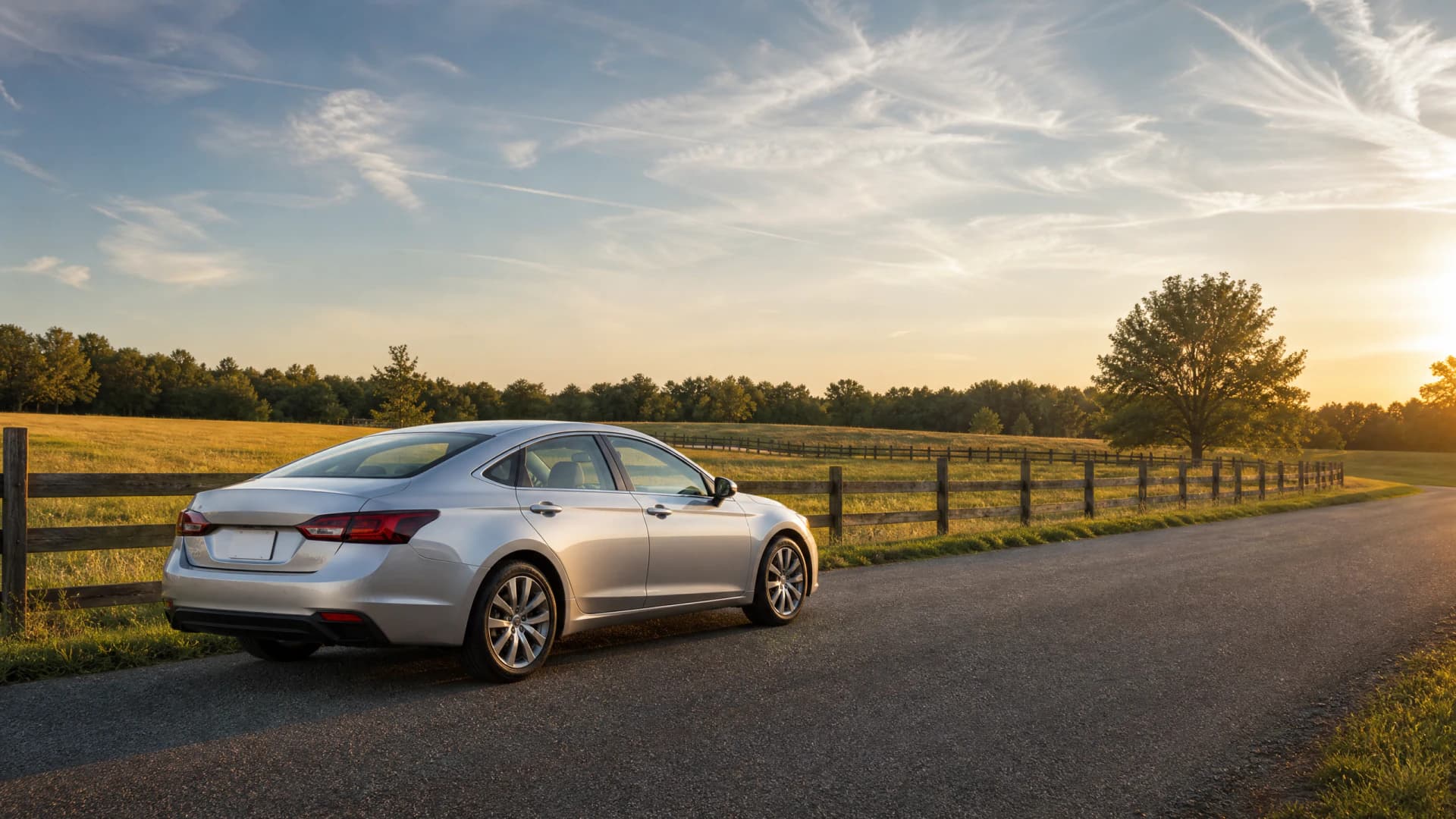
You do not know whether your carrier processed the course certificate you submitted, and most renewal notices do not tell you the discount was applied or why it was not.
Related Articles

SD Accident Forgiveness: Cheapest Carriers
6/11/2026

Macular Degeneration & Driving in South Dakota (75+)
4/29/2026

Stop Driving in SD: License Surrender & Insurance Refund
4/29/2026

Glaucoma & SD License: Vision Rules for Age 75+
4/29/2026

SD Family Driving Talk: Medical Referrals & License Options
4/29/2026

Driving After Hip Replacement in South Dakota (75+)
4/29/2026

The Mature-Driver Discount You May Not Be Getting
South Dakota law does not mandate a senior or mature-driver discount. Insurers may offer one voluntarily, and when they do, the percentage and eligibility rules are set by company filing. Some carriers offer an age-based discount that applies automatically at 55 or 65. Others offer a course-completion discount that requires you to finish a state-approved defensive driving course and submit proof to your agent. A few offer both, but the two discounts do not stack.
The course-completion discount typically requires renewal every three years. If your certificate expires before your policy renews, the discount lapses and you must complete the course again to reinstate it. Most carriers do not send reminders when the certificate is about to expire. They apply the discount when you submit proof and remove it when the proof expires, and the renewal notice may not explain which happened.
If you completed a course and your premium did not drop, call your agent and ask whether the certificate was received and processed. If it was not, ask what documentation they need and whether the discount applies retroactively or only at the next renewal. Some carriers will adjust your current term; others will apply it only going forward. The answer varies by carrier, and no state rule requires them to tell you unless you ask.
9.4%
South Dakota Uninsured Motorist Rate
Nearly one in ten drivers on South Dakota roads carries no insurance. Uninsured motorist coverage pays your costs when an uninsured driver is at fault. Declining it leaves you dependent on the other driver's ability to pay out of pocket, which is statistically unlikely.
Insurance Information Institute, 2023

Carriers Writing Policies in South Dakota
Twenty-five carriers write auto insurance in South Dakota, spanning preferred, standard, and non-standard tiers. Preferred carriers such as State Farm, USAA, and Amica typically offer the lowest rates to drivers with clean records and strong credit. Standard carriers such as Allstate, Farmers, and Progressive write a broader risk pool and offer online quoting. Non-standard carriers such as Bristol West, Dairyland, and The General specialize in high-risk profiles and drivers who cannot obtain coverage in the standard market.
Not all carriers offer mature-driver discounts, and those that do set their own eligibility rules and percentages. State Farm and Nationwide offer course-completion discounts in most states, but the amount and renewal requirements vary. USAA offers age-based discounts to eligible members. The General and Dairyland focus on high-risk drivers and may not offer senior-specific discounts at all. The only way to know what your carrier offers is to ask your agent directly and request documentation of the discount terms.
Compare What You Are Paying Against What You Could
Request quotes from at least three carriers, and when you do, ask each one whether they offer a mature-driver discount, what the eligibility requirements are, and whether the discount applies automatically or requires annual re-enrollment. Ask whether completing a defensive driving course would lower your rate and, if so, by how much. Ask whether the discount is age-based or course-based, and whether the two can combine. Most agents will not volunteer this information unless you ask the question in these exact terms.
When comparing quotes, compare the same liability limits and the same deductibles. A lower premium with lower limits is not a better deal; it is less coverage. Write down the limits each carrier quoted and verify they match before deciding. If your current carrier increased your rate and you do not know why, ask them to explain the increase in writing. If the explanation is vague or references "market conditions," request quotes elsewhere. You are not obligated to stay with a carrier that cannot explain why your rate went up when your driving record did not change.
Liability Limits Against Retirement Assets
A paid-off home, retirement accounts, and savings are exposed in a lawsuit when your liability coverage is insufficient. South Dakota courts can attach assets to satisfy a judgment. The minimum exists to ensure some compensation is available; it was never designed to protect a household with decades of accumulated wealth. Carriers do not volunteer this context when you renew at the minimum because selling higher limits is their job, but the structural reality is unchanged: the minimum is a legal floor, not a financial shield.
Raising liability limits to 100/300/100 or 250/500/250 costs less than most drivers expect because the risk pool at higher limits is statistically safer. Drivers who choose higher limits file fewer claims, so the per-dollar cost of additional coverage drops as the limit rises. Ask your carrier what 100/300/100 costs on your current policy. The difference between minimum and adequate is often smaller than the difference between adequate and none.
Get Your Free Quote
Compare Auto Insurance for Drivers 75+Frequently Asked Questions
Does South Dakota require a senior discount on car insurance?
No. South Dakota law does not mandate a senior or mature-driver discount. Insurers may offer one voluntarily, and when they do, the percentage and eligibility rules are set by the carrier. Ask your agent whether your carrier offers a discount and what you must do to qualify.
What is the minimum car insurance required in South Dakota?
South Dakota requires liability coverage of 25/50/25: $25,000 bodily injury per person, $50,000 per accident, and $25,000 property damage. The state also requires uninsured motorist coverage. Collision, comprehensive, and medical payments coverage are optional.
How do I get a mature-driver discount in South Dakota?
Ask your carrier whether they offer an age-based discount or a course-completion discount. If course-based, complete a state-approved defensive driving course and submit the certificate to your agent. Verify the discount was applied at your next renewal. Some carriers require re-enrollment every three years.
What happens if I am at fault and the damage exceeds my liability limit?
The injured party can sue you personally for the difference. South Dakota courts can attach your assets, including your home, retirement accounts, and savings, to satisfy the judgment. Carrying higher liability limits protects what you own.
Should I drop collision and comprehensive coverage on an older vehicle?
If your vehicle is paid off and worth less than ten times your annual premium for those coverages, dropping them may make sense. Collision and comprehensive pay only up to the vehicle's actual cash value, minus your deductible. If a total loss would not create financial hardship, the coverage may cost more than it is worth.
How many drivers in South Dakota are uninsured?
9.4 percent of South Dakota drivers carry no insurance. Uninsured motorist coverage pays your costs when an uninsured driver is at fault. Declining it leaves you dependent on the other driver's ability to pay out of pocket, which is unlikely.