
Car Insurance at 75 in Michigan: What the Rate Jump Really Costs
Free to compare
Why Michigan Auto Insurance Jumps Specifically at Age 75
Michigan auto insurance premiums typically increase 15–25% between age 74 and 75, regardless of your driving record. This jump reflects actuarial tables that show increased claim frequency in this age bracket, combined with Michigan's no-fault system that assigns higher Personal Injury Protection costs to older drivers.
The average Michigan driver aged 75 pays $185–$310 per month for full coverage, compared to $160–$245 for a 65-year-old with an identical record. State Farm, Auto-Owners, and Progressive apply the most predictable age-based increases in Michigan, while Dairyland and National General often non-renew policies at 75 or 76 without prior notice.
Michigan's mandatory Personal Injury Protection coverage drives most of this increase. PIP medical benefits have no age cap, and carriers price the lifetime medical risk higher for drivers over 75, even when those drivers select lower PIP limits under the state's 2019 reform law.
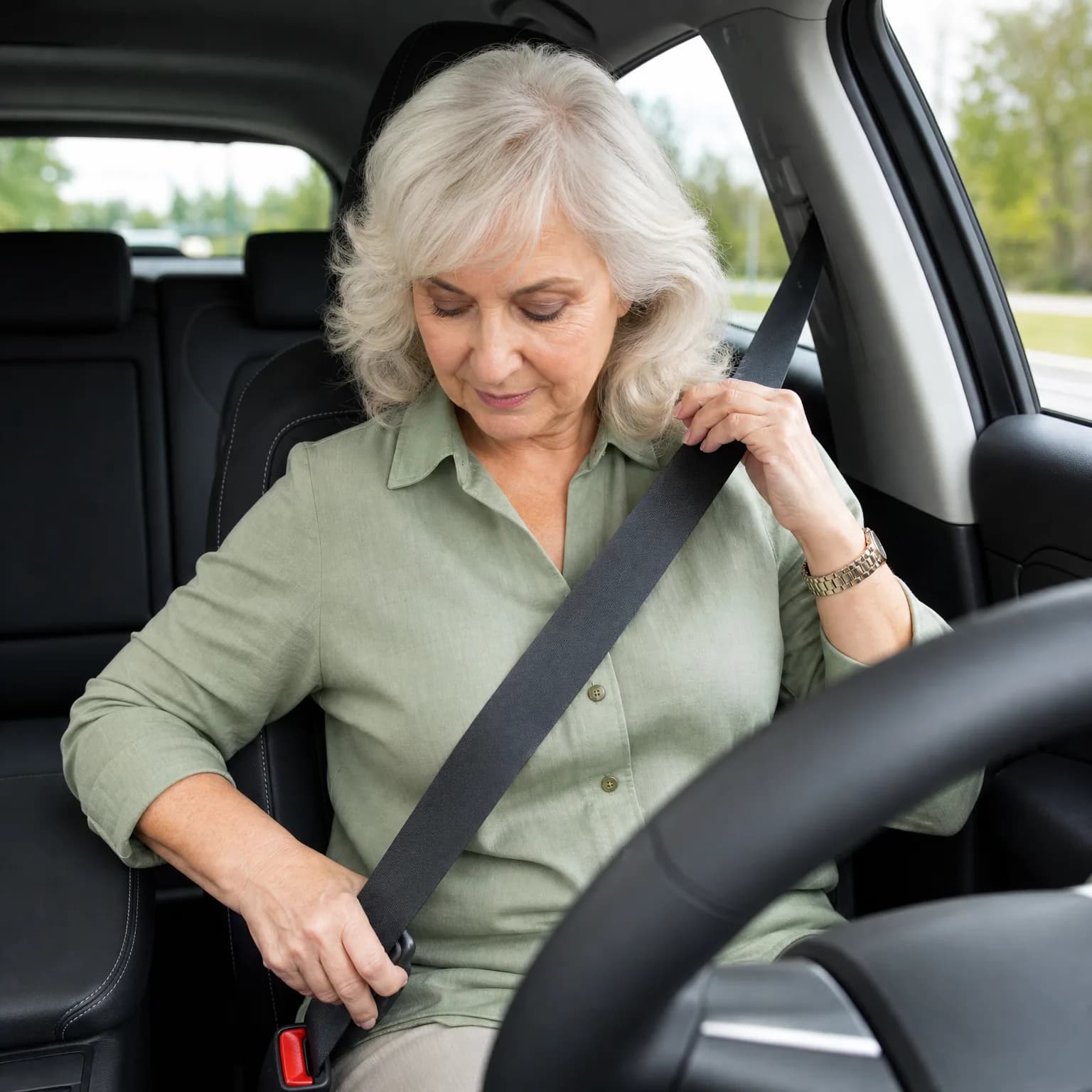
What Michigan Drivers Over 75 Actually Pay by Coverage Level
A 75-year-old Michigan driver with a clean record pays approximately $220/month for full coverage with $100,000/$300,000 liability and $250,000 PIP, based on current rate filings in Wayne, Oakland, and Kent counties. That same driver selecting PIP opt-out (with qualifying Medicare coverage) pays $140–$180/month.
Liability-only coverage for drivers over 75 averages $95–$130/month in Michigan, significantly higher than the $60–$85 range common in neighboring states. Michigan's mandatory PIP applies even to liability-only policies unless you qualify for and actively elect the opt-out.
Drivers maintaining collision and comprehensive on vehicles worth less than $5,000 often pay $40–$60/month in premiums to protect an asset where total-loss payout would be $3,000–$4,500. Most financial advisors recommend dropping collision coverage when the annual premium exceeds 10% of the vehicle's actual cash value.

Which Carriers Non-Renew Policies at 75 and What Triggers the Notice
Auto-Owners, Frankenmuth, and Michigan Farm Bureau maintain the most stable renewal patterns for drivers over 75 in Michigan, with non-renewal rates under 8% for clean-record drivers in this age bracket. Dairyland, National General, and Foremost show non-renewal rates above 25% for drivers aged 75–78, typically triggered at policy renewal following the birthday.
Non-renewal notices in Michigan must be sent 60 days before policy expiration under state law, but carriers are not required to disclose that age was the determining factor. The notice will cite "underwriting guidelines" or "portfolio management" rather than age directly, though age threshold is the actual trigger in most cases.
If you receive a non-renewal notice, you have three immediate options: apply with a carrier specializing in senior drivers (AARP/Hartford, The General, or AAA), request assigned risk pool placement through the Michigan Automobile Insurance Placement Facility, or reduce coverage to liability-only if your vehicle is paid off and worth under $8,000.
How Michigan's PIP Opt-Out Works for Drivers Over 75
Michigan drivers over 75 with qualifying Medicare coverage can opt out of Personal Injury Protection entirely, reducing premiums by $60–$110/month on average. You must have Medicare Parts A and B, and your spouse (if listed on the policy) must also have qualifying coverage or separate auto insurance.
The opt-out election happens at policy renewal or when purchasing a new policy. Your carrier must offer the opt-out explicitly, but many do not volunteer this information during renewal — you must ask for PIP level options directly. Once opted out, you cannot re-elect PIP coverage mid-term if your Medicare status changes.
Drivers selecting opt-out remain responsible for Medicare deductibles, co-pays, and any medical costs Medicare doesn't cover after an auto accident. Michigan Medicare does not cover all injury types PIP would have paid, particularly long-term attendant care, so this option works best for drivers with supplemental health coverage or substantial savings.

Find Coverage That Fits Driving Past 75
Compare Auto Insurance for Drivers 75+
Three Discounts Michigan Carriers Don't Automatically Apply at 75
The mature driver course discount in Michigan reduces premiums by 5–10% for drivers who complete an approved defensive driving course, but Auto-Owners, Progressive, and Frankenmuth require you to submit the completion certificate manually at each renewal — they do not automatically verify or continue the discount. AARP and AAA offer the course online for $20–$25, and the certificate is valid for three years.
Low-mileage discounts apply if you drive under 7,500 miles annually, but Michigan carriers require odometer verification or telematics enrollment to qualify. Drivers over 75 average 6,200 miles per year, yet fewer than 30% receive the discount because they never requested the mileage review. This discount is worth $180–$340 annually on a typical Michigan full-coverage policy.
Multi-policy bundling with homeowners insurance saves 15–20%, but if you've paid off your mortgage and dropped homeowners coverage, bundling your auto policy with a standalone renters or umbrella policy still qualifies for 8–12% savings with most Michigan carriers. State Farm and Auto-Owners offer the bundled renters policy for $12–$18/month, and the auto discount typically exceeds the renters premium cost.

When Dropping Comprehensive and Collision Coverage Makes Sense
Comprehensive and collision coverage on a vehicle worth $6,000 costs approximately $55–$75/month for a Michigan driver over 75, meaning you'll pay $660–$900 annually to insure an asset with a maximum payout around $5,400 after deductible. If your vehicle is over 10 years old and paid off, dropping these coverages and maintaining liability coverage only saves $600–$850 per year.
Michigan requires liability minimums of $50,000/$100,000 bodily injury and $10,000 property damage, but most advisors recommend $100,000/$300,000 for drivers over 75 because at-fault liability claims against senior drivers settle higher due to perceived judgment or reaction time factors. Increasing liability limits from state minimum to $100,000/$300,000 adds only $15–$25/month.
If you finance or lease your vehicle, the lender requires collision and comprehensive coverage regardless of age. Once the vehicle is paid off, you control the coverage election, and the decision comes down to whether you can afford to replace the vehicle out-of-pocket if it's totaled.
What Happens If You Can't Find Affordable Coverage in the Private Market
The Michigan Automobile Insurance Placement Facility serves as the assigned risk pool for drivers unable to obtain coverage in the voluntary market. Premiums through the facility run 40–60% higher than standard market rates, but coverage is guaranteed if you hold a valid Michigan driver's license and can pay the premium.
Application to the facility happens through any licensed Michigan insurance agent — you cannot apply directly. The agent submits your application, and the facility assigns your policy to a carrier within 10 business days. You'll pay the agent directly, and coverage typically begins within 30 days of application approval.
Facility placement is not permanent. After maintaining continuous coverage for 12 months with no at-fault claims, you can re-apply in the voluntary market, and carriers must consider your recent facility period as proof of continuous coverage under Michigan insurance law.
Frequently Asked Questions
Does Michigan require insurance companies to non-renew policies at a certain age?
No, Michigan does not mandate non-renewal at any age, but carriers can non-renew policies based on underwriting guidelines that include age as a factor. State law requires 60 days' notice before non-renewal, and carriers must offer coverage through the assigned risk pool if voluntary market options are exhausted.
Can I keep my current Michigan auto insurance after 75 if I have a clean driving record?
Yes, most major Michigan carriers including State Farm, Auto-Owners, and Michigan Farm Bureau continue coverage for drivers over 75 with clean records, though premiums typically increase 15–25% at this age threshold. Non-renewal risk is highest with non-standard carriers like Dairyland and National General.
How much does the mature driver discount save in Michigan for drivers over 75?
Michigan's mature driver course discount reduces premiums by 5–10%, saving approximately $110–$220 annually on a typical full-coverage policy. The discount requires completion of an approved defensive driving course every three years, and you must submit the certificate to your carrier manually at each renewal.
Is it worth keeping full coverage on a paid-off car in Michigan after age 75?
Full coverage on a vehicle worth under $6,000 costs $660–$900 annually for Michigan drivers over 75, while maximum payout after deductible is typically $4,500–$5,400. If you can afford to replace the vehicle out-of-pocket, dropping collision and comprehensive and maintaining liability-only saves $600–$850 per year.
What is the Michigan assigned risk pool and how do I apply?
The Michigan Automobile Insurance Placement Facility is the state's assigned risk pool, guaranteeing coverage for drivers who cannot obtain policies in the voluntary market. You apply through any licensed Michigan agent, and premiums run 40–60% higher than standard rates but provide mandatory coverage if you hold a valid license.
Related Articles
Driving After Hip Replacement CT: Insurance & Timeline
4/29/2026
Stopping Driving in CT: License Surrender & Refund Steps
4/29/2026

Glaucoma & CT License: Vision Limits for Seniors 75+
4/29/2026

Arthritis & Driving in TN: Hand Controls & Insurance
4/29/2026

Arthritis & Driving in MS: Hand Controls & Insurance
4/29/2026

AFib Diagnosis & Georgia Insurance: Reporting Rules 75+
4/29/2026