
Cataract Surgery and Driving in NC: When You Can Return to the Road
Free to compare
Does North Carolina Require You to Report Cataract Surgery to the DMV or Your Insurer?
North Carolina does not require you to report cataract surgery to the DMV or your insurance carrier unless the surgery results in lasting vision impairment that affects your ability to drive safely. Most cataract surgeries improve vision, which means no reporting obligation exists. Your next standard license renewal vision test will evaluate your current vision status, not your surgical history.
Your insurance carrier has no automatic notification requirement either. North Carolina does not mandate disclosure of medical procedures that improve or restore vision. If your post-operative vision meets the state's 20/40 standard in at least one eye with or without corrective lenses, your license remains valid without restriction.
The risk comes at renewal. Drivers aged 81 and older in North Carolina renew every five years and must pass a vision test at the DMV. If you cannot meet the 20/40 threshold at that appointment, the DMV may impose restrictions or require a vision specialist's clearance before issuing a renewed license.
What Vision Standard Does North Carolina Require After Cataract Surgery?
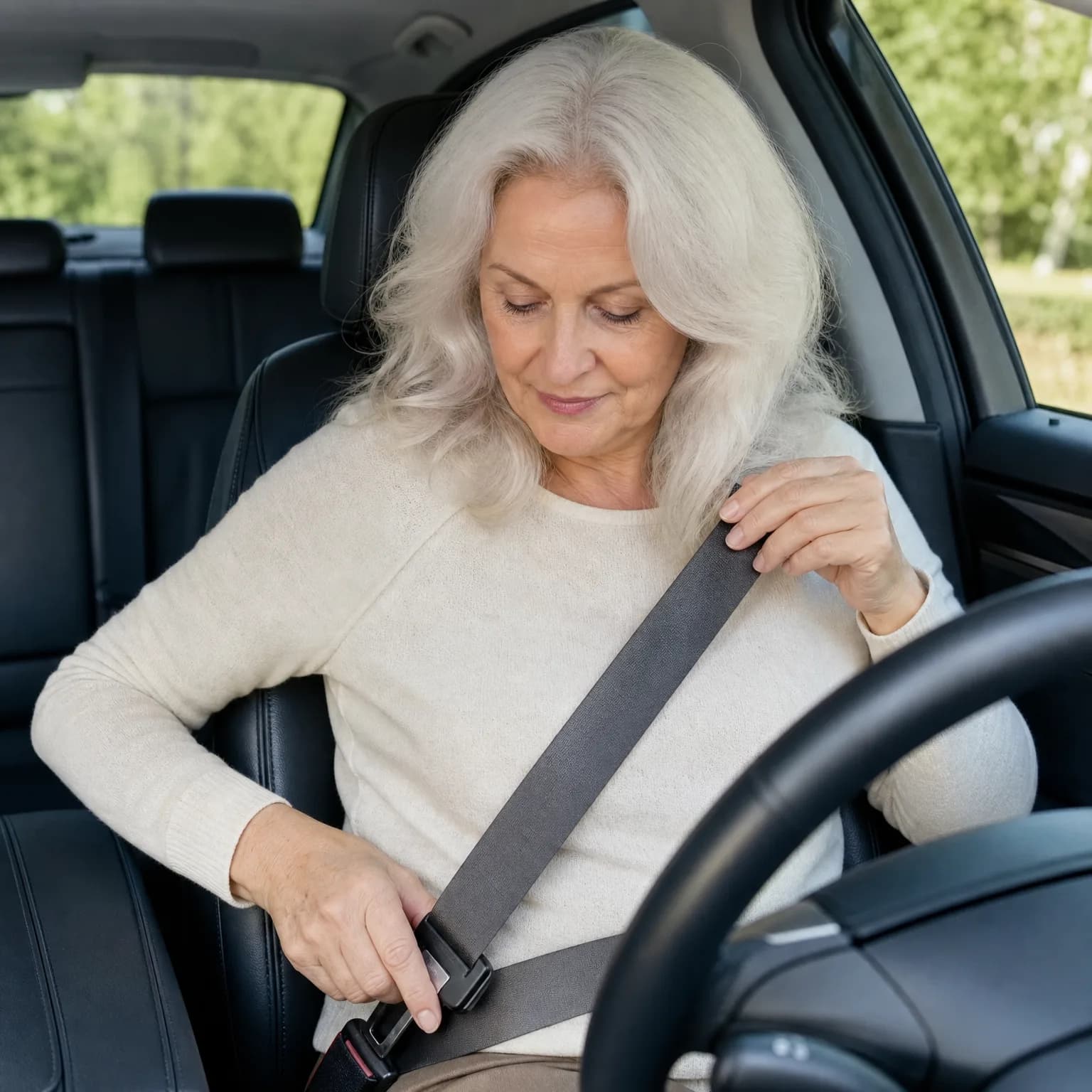
North Carolina requires 20/40 vision in at least one eye, with or without corrective lenses, for an unrestricted driver's license. This standard applies to all drivers regardless of age or medical history. If your post-operative vision meets this threshold, no license restriction applies.
If your best corrected vision falls between 20/50 and 20/70 in your better eye, the DMV may issue a restricted license limiting you to daytime driving only or requiring additional mirrors. Vision worse than 20/70 in both eyes typically results in license suspension until vision improves or you obtain clearance from a vision specialist.
Most cataract surgeries restore vision to 20/40 or better within four to six weeks. Your ophthalmologist will confirm your post-operative vision level at follow-up appointments. If your vision meets the 20/40 standard, you satisfy North Carolina's requirement without additional DMV action.
How Long Should You Wait to Drive After Cataract Surgery in North Carolina?
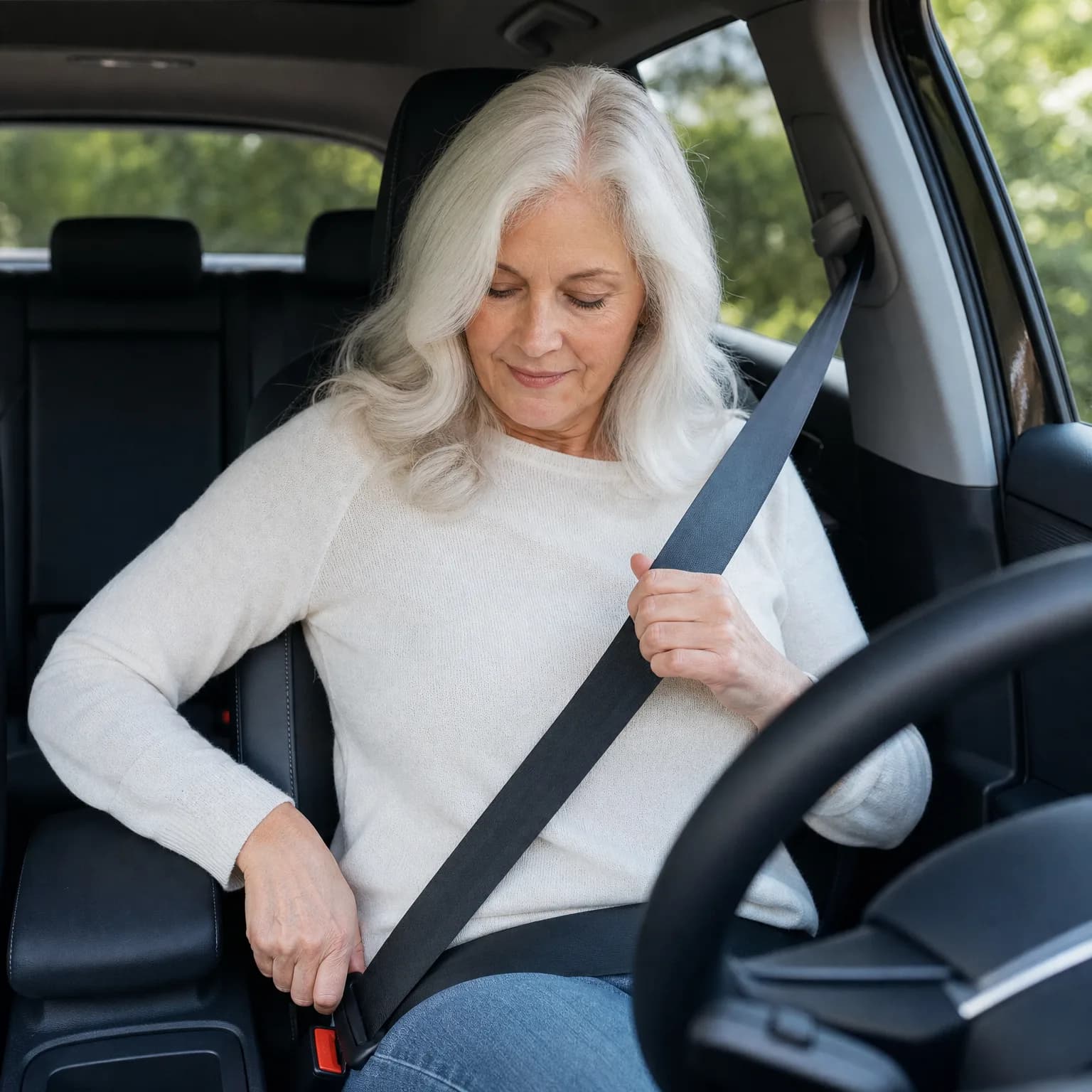
Your ophthalmologist will clear you to resume driving based on your individual recovery, typically within one to seven days after surgery if your vision has stabilized and you are not experiencing discomfort or visual distortion. This is a medical clearance, not a DMV requirement. North Carolina law does not specify a mandatory waiting period after cataract surgery.
Most surgeons recommend waiting at least 24 hours after the procedure to allow initial healing and confirm your vision is clear enough to judge distance and react to road conditions. If you had surgery on both eyes, the second procedure typically occurs two to four weeks after the first, and the same clearance process applies.
If you resume driving before your surgeon clears you and you are involved in an accident, your insurer may investigate whether impaired vision contributed to the collision. No North Carolina statute requires your surgeon's written clearance, but having documentation protects you if a claim arises.
Will Your Insurance Rate Change After Cataract Surgery?
Cataract surgery itself does not trigger a rate increase in North Carolina. Carriers do not receive notification of the procedure, and North Carolina law does not require disclosure of medical treatments that restore or improve vision. Your rate is determined by your driving record, claims history, location, and age — not your medical history.
What does affect your rate at this age is the standard age-based pricing model most carriers use. Drivers aged 75 to 80 in North Carolina see rate increases of 15% to 30% on average compared to drivers aged 65 to 70, and drivers over 80 face additional increases of 10% to 25%. These increases apply regardless of your vision status or surgical history.
If you stopped driving temporarily during recovery and did not notify your carrier, you may have missed an opportunity to request a reduction in coverage or suspend your policy. Most carriers in North Carolina do not offer partial-month refunds, so a two-week recovery period would not reduce your premium unless you formally suspended coverage before the procedure.

Find Coverage That Fits Driving Past 75
Compare Auto Insurance for Drivers 75+
Does a Mature Driver Course Discount Apply After Cataract Surgery?
North Carolina mandates that insurers offer a discount to drivers who complete an approved mature driver improvement course, and this discount remains valid for three years from the course completion date. If you completed the course before your surgery, the discount continues through its expiration date. If your surgery recovery kept you from driving for several weeks, your discount does not lapse — it remains active based on the original completion date.
The discount typically reduces your premium by 5% to 10%, depending on the carrier. If you have not taken the course in the past three years, completing it after your surgery recovery can reduce your rate at your next renewal. North Carolina accepts courses approved by AARP, AAA, and the National Safety Council.
Carriers do not automatically reapply this discount at renewal if your three-year period has expired. You must submit proof of course completion to your insurer. If you took the course online, your certificate is typically available for download immediately after completion. If you completed an in-person course, the instructor provides a certificate at the end of the session.

What Happens If Your Post-Surgery Vision Doesn't Meet the 20/40 Standard?
If your post-operative vision does not reach 20/40 in at least one eye, North Carolina DMV will issue a restricted license or require additional clearance before renewal. The most common restriction is a daytime-only limitation, which prohibits driving from sunset to sunrise. Some drivers also receive a requirement to use outside mirrors on both sides of the vehicle.
A restricted license does not automatically increase your insurance rate, but it does limit your coverage usability. If you are involved in an accident while driving outside your restricted hours, your carrier may deny the claim based on the license violation. North Carolina classifies driving outside your restriction as operating without a valid license, which can result in a citation and suspension.
If your vision remains below 20/40 six months after surgery, you may need additional treatment or a vision specialist's evaluation to determine whether further improvement is possible. The DMV requires updated vision reports every 12 months for drivers with restricted licenses due to vision impairment.
Should You Notify Your Carrier If You Resume Driving After Surgery?
You are not required to notify your carrier when you resume driving after cataract surgery in North Carolina. Your policy remains active during recovery whether you drive or not, and carriers do not track short-term medical absences. If you suspended your coverage during recovery, you must reinstate it before driving again, but this is a separate action unrelated to the surgery itself.
If your surgery improved your vision and you no longer need corrective lenses while driving, you may want to update your license to remove the corrective lens restriction. This requires a vision test at the DMV, and the updated license status does not change your insurance rate. North Carolina does not penalize drivers for removing a restriction.
The only scenario where notification benefits you is if your carrier offers a medical review discount for drivers who can demonstrate improved vision. Most carriers in North Carolina do not offer this discount, but a small number of regional insurers will re-evaluate your rate if you provide a vision specialist's report showing significant improvement. Contact your agent to confirm whether your carrier participates in this program before requesting a review.
Frequently Asked Questions
Can I drive the same day as cataract surgery in North Carolina?
No, you cannot drive yourself home after cataract surgery because the procedure requires dilation and your vision will be blurred for several hours. Most surgeons in North Carolina clear patients to resume driving within 24 to 48 hours if vision has stabilized, but you need someone else to drive you home on the day of the procedure.
Does Medicare cover cataract surgery in North Carolina?
Yes, Medicare Part B covers cataract surgery and one pair of prescription glasses or contact lenses after the procedure. You pay 20% of the Medicare-approved amount after meeting your Part B deductible. This coverage applies in North Carolina and all other states.
Will my car insurance pay for transportation during cataract surgery recovery?
No, standard auto insurance policies in North Carolina do not cover transportation costs during medical recovery. If you need rides to follow-up appointments, you may qualify for non-emergency medical transportation through Medicare or Medicaid if you meet eligibility requirements.
Do I need to retake the driving test after cataract surgery in North Carolina?
No, North Carolina does not require a driving test after cataract surgery unless your vision falls below the 20/40 standard at your next license renewal. If your post-operative vision meets the state requirement, your license remains valid without additional testing.
Related Articles
Cataract Surgery & Driving in North Dakota: Senior Guide
4/29/2026

Driving After Cataract Surgery in CA: Vision & Insurance
4/29/2026

Cataract Surgery & Driving in TN: Vision Rules Age 75+
4/29/2026

Cataract Surgery & Driving in SC: Post-Op Rules (75+)
4/29/2026

Cataract Surgery & Driving in VA: Update Your Policy
4/29/2026
Cataract Surgery & Driving: PA Vision Rules for Seniors 75+
4/29/2026