
Cataract Surgery and Driving: Oklahoma Vision Rules for Seniors
Free to compare
What Vision Standards Must You Meet to Drive Legally After Cataract Surgery in Oklahoma?
Oklahoma requires corrected vision of at least 20/50 in one or both eyes combined to hold an unrestricted driver license after cataract surgery. Your ophthalmologist must document that your corrected vision meets this threshold before the Oklahoma Department of Public Safety will reinstate full driving privileges. Most surgeons schedule a post-operative vision test 1 to 2 weeks after surgery, and a second verification at 4 to 6 weeks — you need documented clearance showing stable corrected vision at or above 20/50 before legally returning to unrestricted driving.
If your corrected vision falls between 20/60 and 20/100 after surgery, Oklahoma may issue a restricted license limiting you to daylight driving only or requiring outside mirrors. Vision below 20/100 corrected disqualifies you from holding any Oklahoma driver license until your vision improves to at least 20/60 with corrective lenses. These thresholds apply regardless of your age or how long you've held an Oklahoma license.
Oklahoma does not require you to re-take a road test after cataract surgery unless your ophthalmologist or the DPS has documented concerns about your functional driving ability beyond vision acuity. The reinstatement process centers on documented vision standards, not driving skill reassessment. If you held an unrestricted license before surgery and your corrected post-op vision meets 20/50, you return to unrestricted driving once medical clearance is submitted.
How Long Must You Wait Before Driving After Cataract Surgery?
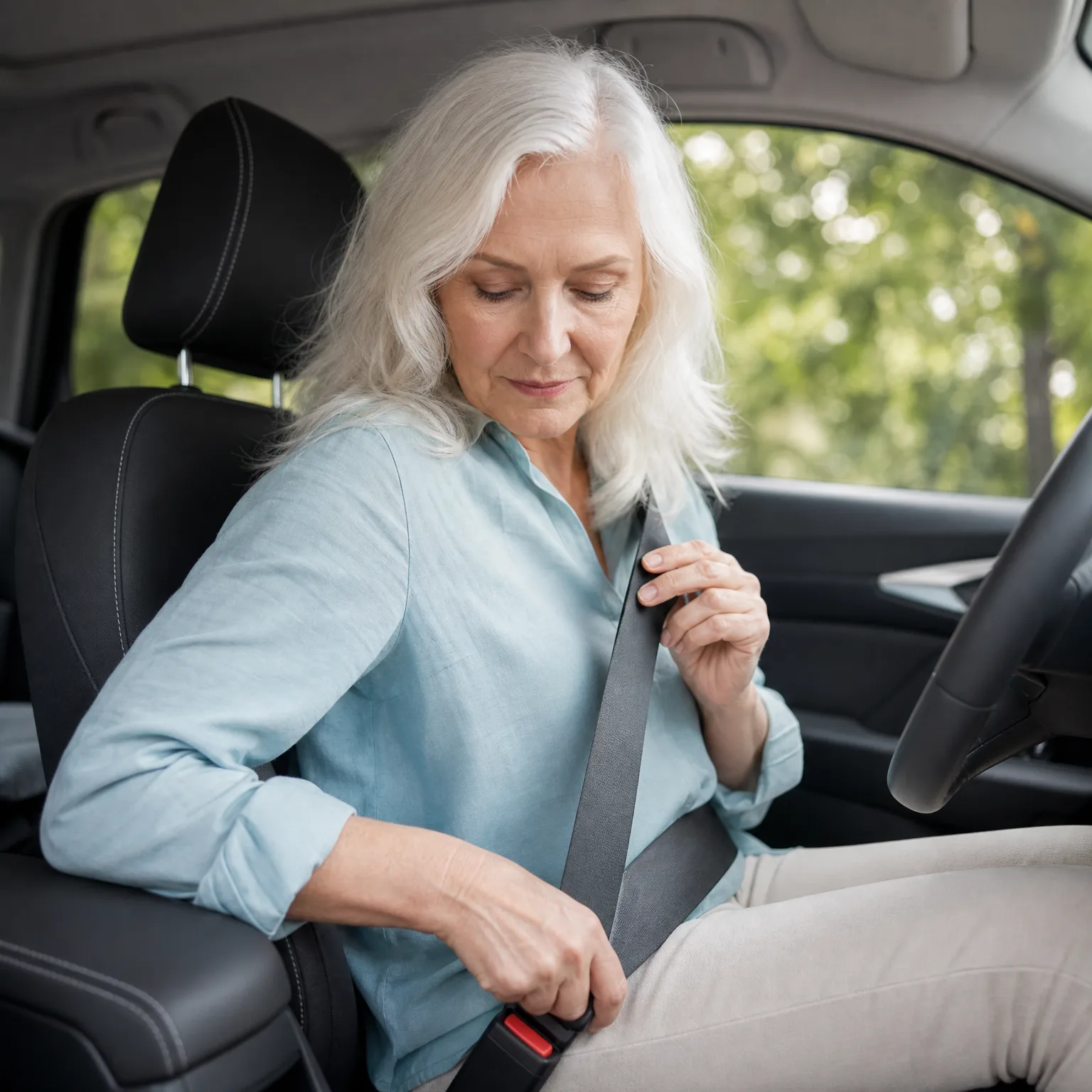
Most Oklahoma ophthalmologists recommend waiting 24 to 48 hours after cataract surgery before attempting any driving. Your vision immediately post-surgery is typically blurred from surgical swelling and dilating drops, and depth perception is unreliable until both eyes stabilize. If you had surgery on only one eye, your brain needs time to reconcile the corrected vision in the treated eye with the uncorrected vision in the other — this adjustment period typically lasts 3 to 7 days.
Your surgeon will schedule a follow-up exam within 1 to 2 days of surgery to check for complications and measure your initial corrected vision. You should not drive to this appointment. If your corrected vision at that first follow-up meets 20/50 and your surgeon documents no complications affecting functional vision, many Oklahoma ophthalmologists will clear you to resume daytime driving in familiar areas. Night driving typically requires waiting until glare and halos subside, usually 2 to 4 weeks post-surgery.
If you're having both eyes treated, the standard protocol schedules the second surgery 1 to 2 weeks after the first. You should not return to regular driving until after the second eye is treated and both eyes have stabilized — attempting to drive with one corrected eye and one uncorrected eye significantly increases accident risk and may void your insurance coverage if an accident occurs during that window.

Do You Need to Notify Your Auto Insurance Carrier About Cataract Surgery?
Oklahoma law does not require you to notify your auto insurance carrier about cataract surgery, but your policy contract almost certainly does. Most carriers include a clause requiring notification of any medical condition or treatment that temporarily restricts your driving privileges or affects your ability to operate a vehicle safely. Failing to notify your carrier before an accident during your restricted post-op period can result in claim denial — even if the accident was not vision-related.
Carriers treat temporary post-operative vision restrictions differently than permanent vision loss. Some carriers will suspend coverage entirely until you provide documented medical clearance showing your corrected vision meets Oklahoma's 20/50 standard. Others will continue coverage but add a medical restriction endorsement that automatically expires once you submit clearance from your ophthalmologist. A few carriers — typically those specializing in senior drivers — will continue standard coverage without restriction if your surgeon documents an expected full recovery within 30 days.
The safest approach is to notify your carrier in writing before your surgery date and ask how they handle temporary post-operative restrictions. Request written confirmation of their process and whether coverage remains in effect during your recovery period. If your carrier suspends coverage, you may need to arrange alternative transportation until medical clearance is documented, or you risk driving uninsured. Missing this notification window is one of the most common coverage gaps among senior drivers recovering from cataract surgery.
Will Your Insurance Rates Increase After Cataract Surgery?
Successful cataract surgery that restores your vision to 20/50 or better should not increase your Oklahoma auto insurance rates. Most carriers treat cataract surgery as a corrective medical procedure, not a risk factor, once your ophthalmologist documents full recovery and stable corrected vision. If your post-surgery vision meets Oklahoma's unrestricted driving standard and you had no accidents or claims during your recovery period, your rates at renewal should remain unchanged.
Rates may increase if your post-surgery corrected vision falls between 20/60 and 20/100, requiring Oklahoma to issue you a restricted license. Carriers typically apply a surcharge of 15% to 30% for drivers holding restricted licenses due to vision limitations, even if those restrictions only apply to night driving or highway speeds. The surcharge reflects actuarial data showing higher claim frequency among drivers with corrected vision below 20/50, regardless of their actual driving record.
If cataract surgery improves your vision and allows you to reduce or eliminate your corrective lens restriction, some Oklahoma carriers will reduce your rates. Drivers who previously required corrective lenses and now meet 20/50 uncorrected after surgery may see small rate decreases — typically 3% to 8% — at their next renewal. Not all carriers apply this adjustment automatically; you may need to request a policy review and submit updated vision documentation from your ophthalmologist to trigger the rate correction.

Find Coverage That Fits Driving Past 75
Compare Auto Insurance for Drivers 75+
Can You Keep Full Coverage on Your Vehicle During Post-Op Recovery?
You can maintain full coverage on your vehicle during your post-operative recovery period, but whether you should depends on how your carrier handles temporary driving restrictions. If your carrier suspends your policy until you provide medical clearance, your comprehensive and collision coverage also suspend — meaning your vehicle has no coverage for theft, vandalism, weather damage, or any other loss during that window.
Some carriers will continue comprehensive coverage while suspending liability and collision during a post-op restriction period. This approach protects your vehicle from non-driving losses while ensuring the carrier has no liability exposure if you drive before receiving medical clearance. If your carrier offers this option, maintaining comprehensive-only coverage during a 2 to 4 week recovery period typically costs $15 to $40 per month for most vehicles driven by Oklahoma seniors.
If you own your vehicle outright and your carrier suspends all coverage during recovery, you face a decision: pay to maintain lapsed coverage on a vehicle you're not driving, or cancel coverage temporarily and risk the gap penalty when you reinstate. Oklahoma carriers may apply a lapse surcharge of 10% to 25% if you allow coverage to lapse for any period, even for documented medical recovery. For most seniors over 75, maintaining at least comprehensive coverage during a short post-op period costs less than the lapse penalty and eliminates reinstatement friction.

What Happens If You Have an Accident During Your Post-Op Restriction Period?
If you have an at-fault accident during your post-operative restriction period — before your ophthalmologist has cleared you to drive — your carrier will investigate whether you were legally permitted to drive at the time of the accident. If your surgeon's documentation shows you were advised not to drive, or if your vision at the time of the accident did not meet Oklahoma's 20/50 standard, your carrier may deny the claim entirely under the policy's medical restriction clause.
Even if you were not at fault, driving during a documented restriction period when your carrier was not notified creates a material misrepresentation issue. Oklahoma carriers can void coverage retroactively if they can demonstrate you knowingly drove during a period when your license privileges were medically restricted and you failed to disclose that restriction. This outcome is rare but has occurred in cases where a senior driver was involved in a serious accident within days of cataract surgery and had no documented clearance from their ophthalmologist.
The financial exposure is significant. If your carrier denies a claim due to an undisclosed post-op restriction, you are personally liable for all damages — property damage, medical costs, and any legal judgments. For an at-fault accident involving injuries, that exposure can easily exceed $100,000. The cost of notifying your carrier before surgery and arranging alternative transportation during a 1 to 2 week recovery period is a fraction of that risk. Most senior drivers over 75 underestimate how seriously carriers treat temporary medical restrictions.
Does the Mature Driver Course Discount Apply During Recovery?
Your mature driver course discount remains in effect during your post-operative recovery period as long as your policy remains active. Oklahoma does not suspend mature driver discounts due to temporary medical restrictions, and carriers cannot remove the discount from your policy mid-term unless you allow your certification to expire. If your policy renews during your recovery period and you've maintained an active mature driver certification, the discount applies to your renewal premium.
If your carrier suspends your policy during recovery, your mature driver discount also suspends until coverage is reinstated. Some carriers will retroactively apply the discount once you submit medical clearance and reinstate coverage, but not all do — the discount may only apply from the reinstatement date forward, not back to the original suspension date. This gap can cost you $30 to $80 depending on the length of your suspension and the size of your discount.
Oklahoma seniors over 75 who complete a state-approved mature driver course within 90 days before or after cataract surgery may see the discount applied at their next renewal even if they were temporarily restricted during part of the policy term. If you're planning cataract surgery and your mature driver certification is approaching expiration, completing the course before your surgery ensures the discount remains uninterrupted. Missing the renewal window during your recovery period means waiting until the next policy term to reinstate the discount, typically a 6 to 12 month gap.
Frequently Asked Questions
Can I drive myself home after cataract surgery in Oklahoma?
No. Oklahoma ophthalmologists will not clear you to drive immediately after cataract surgery due to dilating drops, surgical swelling, and unreliable depth perception that typically lasts 24 to 48 hours. You must arrange for someone to drive you home from the surgical center and to your first follow-up appointment.
Will my insurance company find out about my cataract surgery?
Your carrier will not automatically receive notification of your cataract surgery from your surgeon or the Oklahoma DPS. However, if you have an accident during your recovery period or file a claim, your carrier will investigate and request medical records — failing to disclose a temporary restriction before an accident can void your coverage retroactively.
What if my vision doesn't improve to 20/50 after cataract surgery?
If your corrected vision remains below 20/50 after cataract surgery, Oklahoma will issue a restricted license or suspend your license entirely depending on your measured acuity. Most carriers apply a surcharge of 15% to 30% for restricted licenses, and some carriers serving seniors over 75 may non-renew your policy if your restriction is permanent.
Do I need a new vision test at the DMV after cataract surgery?
Oklahoma does not require you to take a new vision test at the DPS unless your ophthalmologist reports a vision result below 20/50 or the DPS receives a medical notification requiring license review. If your post-surgery vision meets 20/50 corrected, no DMV visit is required.
Related Articles

Cataract Surgery & Driving in Kansas After 75
4/29/2026

Cataract Surgery & Driving in Arkansas After Age 75
4/29/2026

Cataract Surgery & Driving in SD: Vision Rules After 75
4/29/2026

Driving After Cataract Surgery in CA: Vision & Insurance
4/29/2026
Cataract Surgery & Driving in Texas: Post-Op Standards
4/29/2026

Cataract Surgery & Driving in FL: Vision Rules for 75+
4/29/2026