
When a Doctor Refers You to Stop Driving in Florida
Free to compare
What Happens When a Florida Doctor Files a Medical Referral with DHSMV
Florida physicians can submit a confidential medical referral to the Department of Highway Safety and Motor Vehicles (DHSMV) if they believe a patient's medical condition may impair safe driving. Once filed, DHSMV sends you a notice requiring you to appear for a fitness determination hearing within 30 to 45 days. You do not lose your license the day the referral is filed.
The hearing is administrative, not criminal. You have the right to bring medical documentation, have a family member or attorney present, and submit evidence from other physicians who disagree with the referral. DHSMV can issue one of four outcomes: full license retention, restricted license with conditions, voluntary surrender agreement, or mandatory suspension pending re-examination.
Most seniors who receive this notice assume they must immediately stop driving or surrender their license before the hearing. That assumption costs them mobility and independence weeks or months before any formal determination is made. You remain legally licensed until DHSMV issues a formal order.

Restricted Licensing Options Available After a Medical Review
Florida offers daylight-only licenses, radius-restricted licenses (within 5, 10, or 25 miles of your home address), and business-purposes-only licenses as alternatives to full suspension. These restrictions are codified under Florida Statute 322.18 and are available to drivers who pass a vision test and driving re-examination but cannot meet the standard for unrestricted licensure.
A daylight-only restriction allows driving from sunrise to sunset, which covers most medical appointments, grocery trips, and errands for seniors who no longer drive at night voluntarily. A radius restriction is enforceable by law enforcement but is designed to allow continued access to essential services within your immediate area.
To request a restricted license, you must complete DHSMV form HSMV 83045 (Request for Restricted License) and pass the applicable re-examination. If the hearing officer recommends restriction rather than suspension, the restricted license is issued at no additional fee beyond standard renewal. Most restricted licenses are valid for two years and renewable if your condition remains stable.

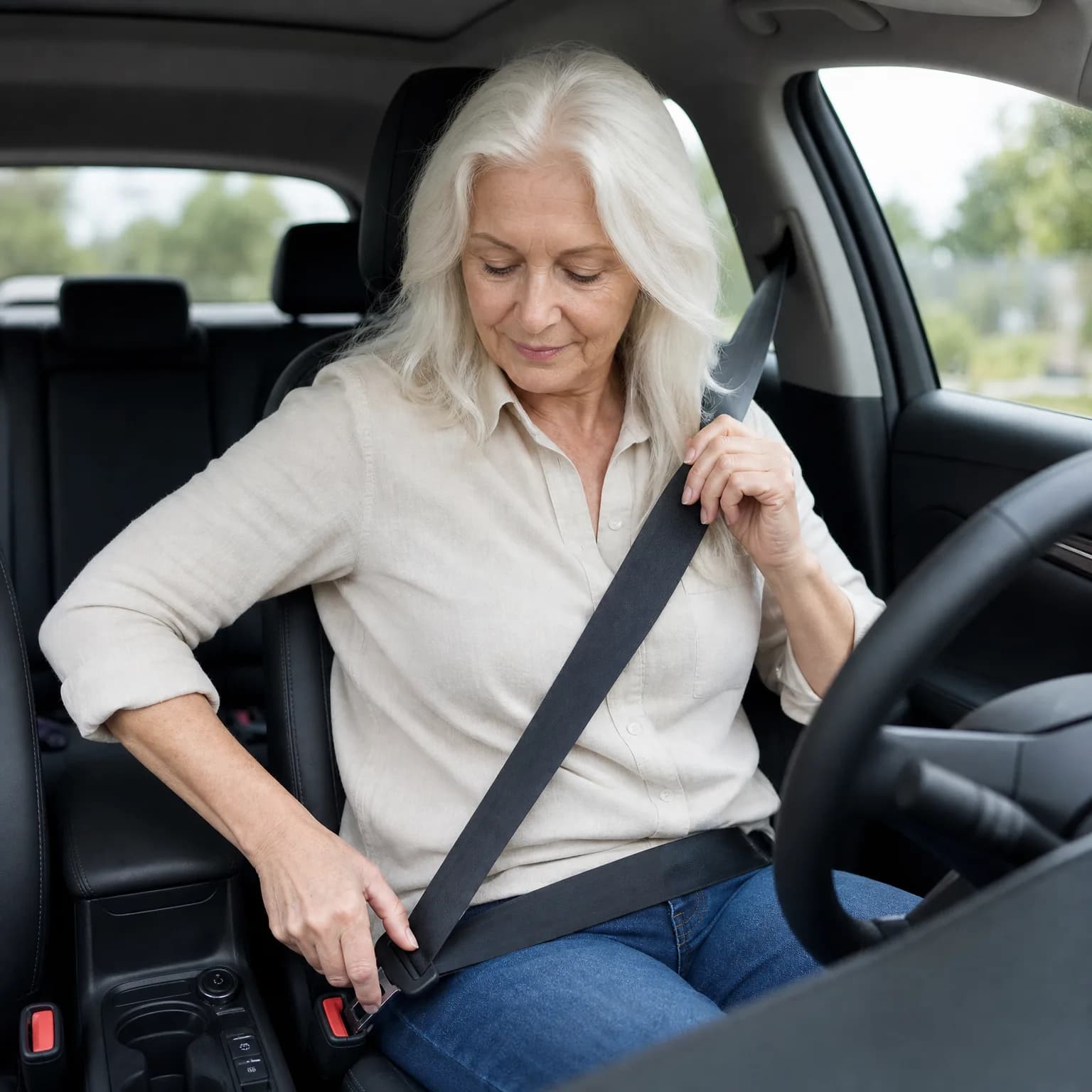
How Auto Insurance Premiums Change After License Restriction or Voluntary Reduction
Switching to a restricted license does not automatically trigger a rate increase, but it does require notification to your insurer under your policy's material change clause. Failure to notify within 30 days of the restriction can void coverage if an accident occurs outside your restriction terms. Most Florida carriers treat daylight-only and radius restrictions as neutral rating factors if your violation history remains clean.
If you voluntarily reduce your annual mileage to under 5,000 miles per year after a medical discussion with your family, you qualify for low-mileage discounts ranging from 8% to 15% with carriers like GEICO, Progressive, and State Farm. These discounts require odometer verification or telematics enrollment but apply immediately at your next renewal once verified.
Seniors who stop driving entirely but want to maintain a non-owner liability policy for occasional borrowed vehicle use can reduce premiums by 60% to 75% compared to standard coverage. Non-owner policies maintain continuous coverage history, which prevents rate surges if you resume driving later or if a family member is added to your household policy.

Find Coverage That Fits Driving Past 75
Compare Auto Insurance for Drivers 75+What Happens to Your Current Auto Policy If You Stop Driving Permanently
If you own a vehicle but stop driving after a medical referral or family decision, you have three options: maintain liability-only coverage to keep the vehicle legally registered, transfer the vehicle title to a family member and add yourself as an excluded driver, or cancel the policy and surrender your license plates to avoid registration penalties.
Florida requires all registered vehicles to carry minimum liability coverage of $10,000 bodily injury per person, $20,000 per accident, and $10,000 property damage. If you keep the vehicle registered in your name for a family member to use, you must maintain this coverage even if you are not driving. Canceling the policy without surrendering plates triggers a $150 reinstatement fee and license suspension under Florida's No-Fault Law.
If your vehicle is fully paid off and you are the sole driver, switching to comprehensive-only coverage (no liability or collision) costs $15 to $40 per month and protects the vehicle from theft, vandalism, and weather damage while parked. This option works if you plan to sell the vehicle within the next 12 months but want to avoid letting coverage lapse entirely, which increases future rates by 20% to 40% if you resume driving.
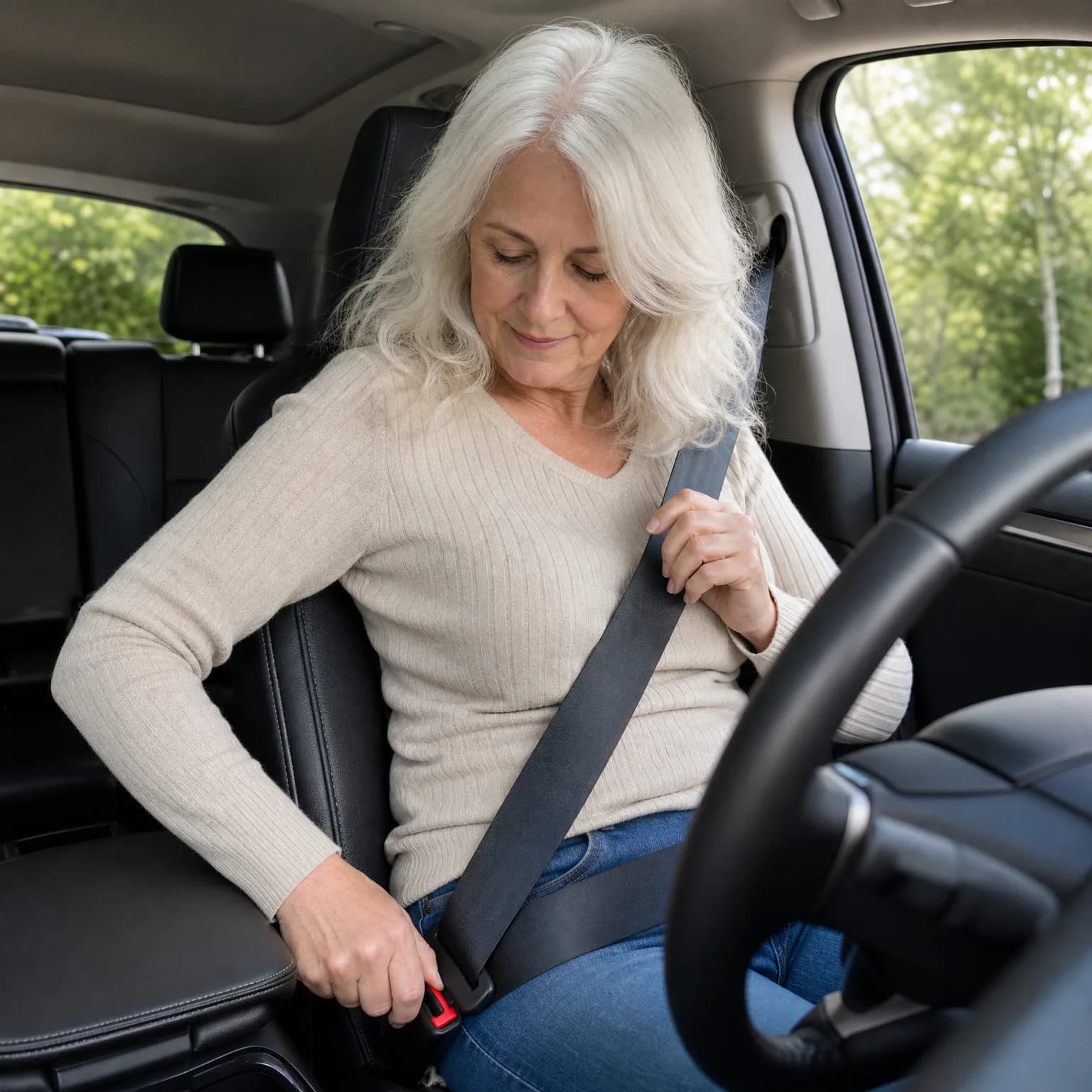
How Family Members Can Continue Coverage Without Disrupting Your Policy
If an adult child or spouse takes over driving your vehicle, adding them as the primary driver and listing you as a secondary or excluded driver keeps your policy active without doubling premiums. Florida insurers rate the policy based on the primary driver's age, violation history, and credit score, so if your family member has a clean record, the premium may drop 10% to 25% compared to your current senior-rated policy.
You can remain on the policy as a named insured without being a rated driver by submitting a signed exclusion form (DHSMV form HSMV 83336). This excludes you from coverage if you drive the vehicle but keeps your name on the registration and title. It is commonly used when a senior wants to retain ownership but no longer drives.
If you transfer the vehicle title entirely to a family member, they must obtain their own policy within 30 days of the title transfer. Your existing policy can be canceled with no penalty as long as you surrender your plates or transfer them to another vehicle you own. Canceling mid-term without a qualifying event (vehicle sale, title transfer, or relocation out of state) can trigger a short-rate cancellation fee equal to 10% of your remaining premium.

State-Funded Transportation Alternatives and How They Affect Insurance Decisions
Florida's Transportation Disadvantaged Program provides subsidized rides for seniors who can no longer drive due to medical conditions, with fares ranging from $0 to $6 per one-way trip depending on county and income level. Eligibility is based on age (60+), disability status, or income below 150% of the federal poverty level. Registration requires a physician's statement or DHSMV fitness determination notice.
Using subsidized transportation does not require you to surrender your driver's license or cancel your auto insurance, but it does reduce your annual mileage enough to qualify for low-mileage discounts if you drive fewer than 3,000 miles per year. Combining subsidized rides for medical appointments with occasional personal driving for errands can cut annual insurance costs by $400 to $800 while maintaining mobility.
If you cancel your auto policy entirely after enrolling in the Transportation Disadvantaged Program, maintaining a non-owner liability policy costs $20 to $35 per month and covers you when riding with family or using volunteer driver programs through religious or community organizations. This prevents a coverage gap that would increase future rates if you later resume driving or move in with a family member who adds you to their household policy.
Frequently Asked Questions
Can my doctor force me to stop driving in Florida?
No. A physician can file a medical referral with DHSMV, but only DHSMV can suspend or restrict your license after a fitness determination hearing. You remain legally licensed until DHSMV issues a formal order, which typically takes 30 to 60 days after the referral is filed.
Does a restricted license increase my car insurance rates?
Most Florida insurers treat daylight-only and radius restrictions as neutral rating factors if your driving record is clean. You must notify your insurer within 30 days of the restriction to avoid coverage issues, but notification alone does not trigger a rate increase.
What happens to my insurance if I stop driving but keep my car?
You can maintain liability-only or comprehensive-only coverage to keep the vehicle registered and protected. If you cancel coverage entirely, you must surrender your license plates to DHSMV within 30 days to avoid a $150 reinstatement fee and license suspension.
Can I get a low-mileage discount after switching to a restricted license?
Yes. If your annual mileage drops below 5,000 miles after receiving a restricted license, most Florida carriers offer low-mileage discounts of 8% to 15%. You will need to provide odometer verification or enroll in a telematics program to qualify.
How do I keep insurance coverage if I stop driving permanently?
A non-owner liability policy costs $20 to $35 per month and maintains continuous coverage history while covering you when riding with family or using borrowed vehicles. This prevents rate increases if you later resume driving or are added to a family member's household policy.