
Illinois Medical Referral and License Options for Senior Drivers
Free to compare
What Triggers a Medical Referral in Illinois
Illinois law requires physicians, optometrists, and certain other healthcare providers to report patients with medical conditions that may impair safe driving to the Secretary of State's Medical Review Unit within 10 days of diagnosis or observation. The most common triggers for drivers over 75 include dementia or Alzheimer's diagnosis, uncontrolled seizures, severe vision loss below statutory minimums, stroke with residual effects, and lapses of consciousness. The report is mandatory — your doctor cannot legally withhold it even if you request they do.
Once the Medical Review Unit receives a report, they mail a notice requiring you to appear for a driver evaluation, submit updated medical documentation, or complete a behind-the-wheel road test within 45 days. Missing this deadline results in automatic license suspension without a hearing. The notice arrives by certified mail to your address on file with the Secretary of State, so outdated address records can cause you to miss the window entirely.
Most Illinois seniors over 75 who enter medical review do so through physician report rather than crash investigation or family referral. The system is designed as a safety mechanism, but families often feel blindsided because the referral happens before the driver or their family can prepare a response plan.

How the Medical Review Process Actually Works
The Illinois Secretary of State's Medical Review Unit evaluates approximately 60,000 cases annually, with drivers over 70 representing the largest age cohort. When your case enters review, you receive a packet specifying what documentation you must submit: typically a Medical Report Form completed by your treating physician, vision test results from an optometrist or ophthalmologist, and in some cases cognitive assessment results from a neurologist or geriatric specialist. The reviewing authority is the Secretary of State's office, not your personal physician.
You have three potential outcomes after review. Full license retention with no restrictions if medical evidence shows you meet all statutory standards. License suspension if evidence indicates you cannot safely operate a vehicle under any conditions. Restricted license issuance if your condition allows safe driving under specific limitations — this is the outcome most families never learn to request.
The review timeline typically runs 60 to 90 days from your initial response submission to final determination. During this period, you may continue driving unless your notice specifically states immediate suspension. If the Medical Review Unit requests additional testing or a road evaluation, that extends the timeline by another 30 to 45 days.

Restricted License Alternatives Illinois Offers
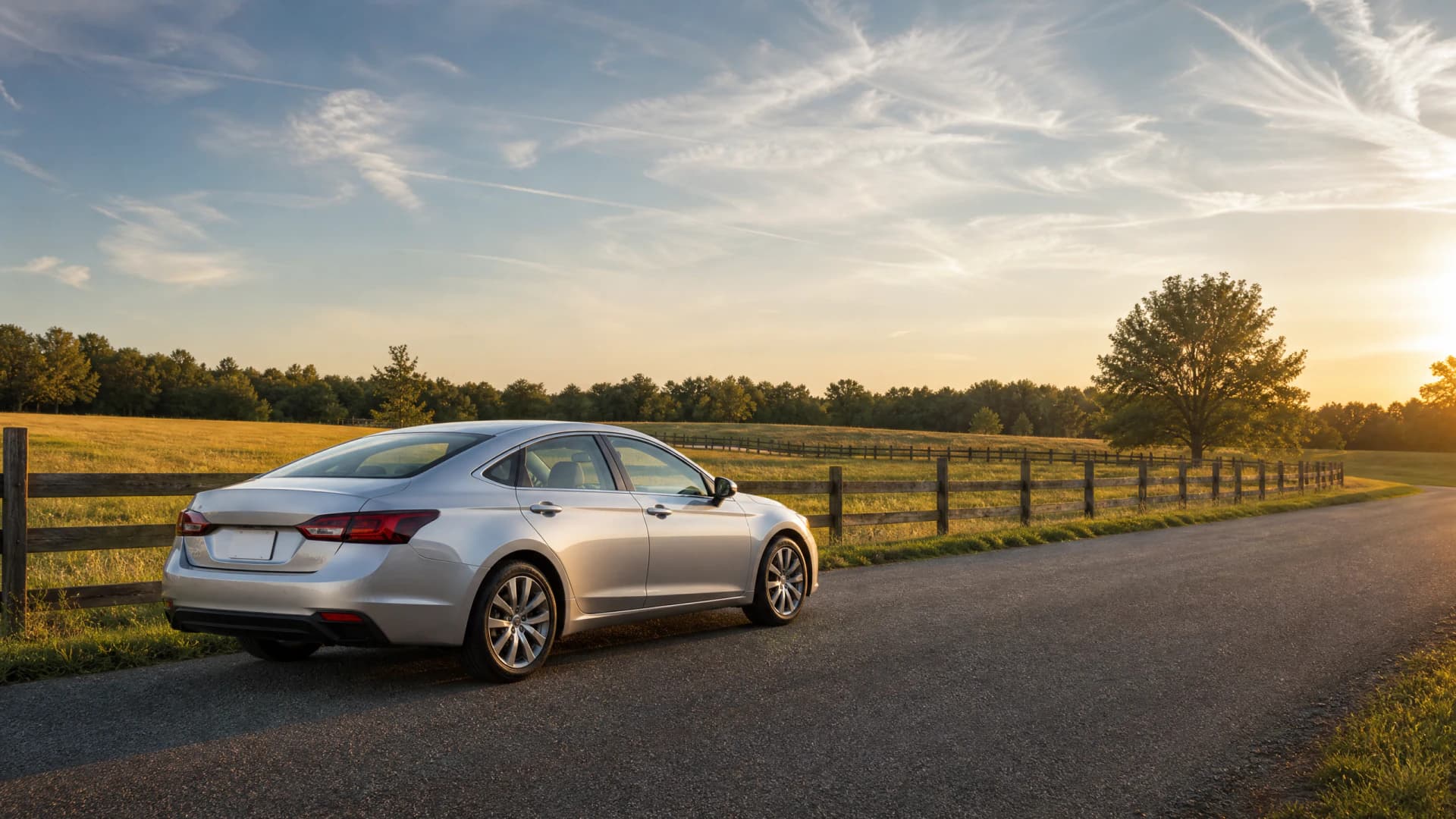
Illinois allows the Secretary of State to issue restricted driving permits tailored to your specific medical condition and daily needs. Daytime-only permits restrict driving to daylight hours, typically defined as sunrise to sunset or 6 a.m. to 6 p.m. depending on the restriction wording. Geographic radius permits limit driving to a specified mile radius from your home address, commonly 5, 10, or 25 miles. Essential destinations permits allow driving only to and from specific locations: medical appointments, grocery stores, religious services, or a family member's home.
Speed-restricted permits limit maximum driving speed to 45 or 55 mph, effectively prohibiting highway use while preserving local road access. Corrective lens required permits mandate specific vision correction devices including bioptic telescopic lenses for drivers with severe but stable vision impairment. Restricted licenses remain valid for periods ranging from 6 months to 3 years depending on your medical prognosis, with mandatory re-evaluation at each renewal.
The critical procedural point most families miss: you must explicitly request restricted license consideration during your Medical Review Unit hearing or in your written response to their initial notice. The reviewing officer will not volunteer this option if your medical documentation suggests any driving risk. Your physician's Medical Report Form includes a section where they can recommend specific restrictions rather than full suspension — many doctors are unaware this section exists or how to complete it strategically.

Find Coverage That Fits Driving Past 75
Compare Auto Insurance for Drivers 75+What Happens to Your Insurance During Medical Review
Your auto insurance policy remains in effect during the medical review process as long as you hold a valid license or restricted permit. Illinois law does not require you to notify your insurer that you have entered medical review, but your carrier will learn of any license suspension or restriction when they run your next MVR check at renewal. Most Illinois carriers run MVR checks every 6 to 12 months for drivers over 70.
If you receive a restricted license, your carrier must continue coverage but may adjust your premium based on the restriction type. Daytime-only and geographic radius restrictions typically produce no rate increase or slight decreases because your exposure drops. Speed-restricted and essential-destinations-only permits sometimes trigger 10% to 20% increases because carriers view medical restrictions as elevated risk markers regardless of reduced mileage.
If your license is fully suspended, you must notify your carrier immediately. Maintaining a policy on a suspended license violates most policy terms and can void coverage retroactively. However, if you own your vehicle outright and plan to reinstate your license after medical treatment, consider maintaining comprehensive coverage without collision during the suspension period — this protects the vehicle from theft and weather damage at roughly 40% of your previous premium while avoiding a coverage gap that would increase your reinstatement rates.
How Family Members Can Initiate or Participate in Review
Illinois allows family members to submit a Request for Driver Re-Examination to the Secretary of State if they believe a relative poses a safety risk due to medical or cognitive decline. The request must include specific observed incidents: wrong-way driving, failure to observe traffic controls, getting lost on familiar routes, near-miss crashes, or confusion about vehicle operation. Vague concerns about age or general frailty do not meet the threshold for Secretary of State intervention.
Once you submit a family referral, the Medical Review Unit sends the driver a notice identical to physician-triggered review. The driver is not told who initiated the referral. The process proceeds through the same documentation and evaluation steps. Family referrals account for approximately 15% of medical review cases for drivers over 75 in Illinois.
Family members cannot attend Medical Review Unit hearings unless the driver provides written authorization or holds legal power of attorney for healthcare decisions. If your parent or spouse is experiencing cognitive decline that impairs their judgment about driving safety, consulting an elder law attorney about healthcare power of attorney before initiating review protects your ability to participate in the hearing and restricted license negotiation. The Medical Review Unit honors healthcare POA authority for all procedural decisions except the final license determination itself.

Insurance Options After License Suspension or Surrender
If your license is suspended or you voluntarily surrender it, your personal auto insurance policy terminates because you no longer hold a valid license. If you co-own a vehicle with a spouse or family member who retains their license, that person can maintain coverage as the sole named insured. If you live in a household with other drivers but do not own a vehicle, you are typically listed as an excluded driver on the household policy, which removes your liability exposure and reduces the premium.
Non-owner auto insurance policies provide liability coverage when you occasionally drive a vehicle you do not own, but Illinois carriers will not issue non-owner policies to drivers with suspended licenses. Once your license is reinstated, a non-owner policy becomes useful if you no longer own a vehicle but occasionally drive a family member's car or rental vehicle.
If you are definitively ending your driving but want to maintain insurance in your name for future flexibility, you cannot do so legally without a valid license. However, if you anticipate reinstatement within 6 to 12 months after medical treatment, avoid letting your previous policy lapse entirely — the coverage gap increases your reinstatement premium by 20% to 40% for most Illinois carriers writing drivers over 75. If suspension appears likely, ask your agent about policy suspension or paid-up options that preserve your rate class without maintaining active coverage during the gap period.
Frequently Asked Questions
Can my doctor refuse to report my medical condition to the Illinois Secretary of State?
No. Illinois law requires physicians, optometrists, and certain other healthcare providers to report conditions that may impair safe driving within 10 days of diagnosis. Your doctor faces potential liability and professional discipline for failing to report. The report is mandatory regardless of your driving history or your request that they withhold it.
Will my insurance company find out I entered medical review before my license is suspended?
Not immediately. Carriers learn of medical review only when they run your motor vehicle record during renewal or after a claim. Most Illinois carriers check MVRs every 6 to 12 months for drivers over 70. You are not legally required to notify your insurer that you entered review unless your policy specifically requires it, which is uncommon.
How much does a restricted license increase my auto insurance rate in Illinois?
Daytime-only and geographic radius restrictions typically produce no increase or slight decreases because your exposure drops. Medical condition restrictions like speed limits or essential-destinations-only sometimes increase rates 10% to 20% because carriers view medical restrictions as risk markers. Rate impact varies significantly by carrier — some do not surcharge medical restrictions at all for drivers with clean records.
What happens to my insurance if I voluntarily surrender my license?
Your personal auto insurance policy terminates when you no longer hold a valid license. If you co-own a vehicle with a licensed family member, they can maintain coverage as the sole named insured. If you live with other drivers but do not own a vehicle, you are listed as an excluded driver on their policy, which removes your liability and reduces the household premium.
Related Articles

Iowa Medical Referral Process for Drivers Over 75
4/29/2026

MO Doctor Referral Process for Senior Drivers Over 75
4/29/2026

Wisconsin License Restrictions for Seniors Over 75
4/29/2026

Idaho Medical Referral & License Options for Seniors
4/29/2026

Oregon Medical Referrals & License Options Over 75
4/29/2026

DC Medical Referral & License Options for Drivers 75+
4/29/2026