
Family Driving Conversation in Kentucky: When to Talk, What to Say
Free to compare
Kentucky's Medical Advisory Board Process Starts With a Referral, Not a Test
Kentucky allows family members, physicians, and law enforcement to submit a Driver Medical Evaluation Form (TC 96-415) to the Kentucky Transportation Cabinet's Medical Review Board when they believe a driver's medical condition impairs safe operation. The board reviews the submission, requests medical documentation from the driver's physician, and determines whether a driving evaluation or restriction is warranted. This process does not automatically suspend the license.
The form requires specific information: the driver's name and license number, the medical condition raising concern, observable driving behaviors (weaving, delayed reactions, confusion at intersections), and the relationship of the person filing. Vague submissions like "seems confused sometimes" rarely trigger board action. Specific recent incidents carry more weight: "ran three stop signs in residential area on May 12, did not recall the drive afterward."
The Medical Review Board can request a road test through the Kentucky State Police, impose restrictions (daylight only, radius limits, no highway driving), or require periodic medical certification. The driver receives written notice of any action and has the right to submit additional medical documentation or request a hearing. Most families report the hardest part is not the paperwork but deciding when observable decline justifies formal intervention.

Restricted Licensing Alternatives Kentucky Offers Before Full Surrender
Kentucky does not issue a formal "restricted senior license" category, but the Medical Review Board can impose case-by-case restrictions on any driver regardless of age. Common restrictions for drivers over 75 include daylight-only operation (no driving between sunset and sunrise), geographic radius limits (within 10 miles of home address), prohibition on highway speeds above 55 mph, and required annual medical certification.
These restrictions appear as condition codes on the physical license and in the state database accessible to law enforcement during traffic stops. Violating a restriction is a Class B misdemeanor in Kentucky, carrying fines up to $250 and potential license suspension. Insurance carriers access restriction codes during underwriting and renewal — most will continue coverage under daylight or radius restrictions, but several non-standard carriers non-renew policies with highway prohibition codes because they indicate medical impairment.
The restriction stays in effect until the driver submits updated medical documentation showing the condition has resolved or stabilized, or until the driver voluntarily surrenders the license. Families report that daylight-only restrictions work well for drivers whose primary need is local errands and medical appointments. Radius restrictions become unworkable in rural Kentucky counties where grocery stores, pharmacies, and specialists are often 20+ miles from home.

What Happens to Your Kentucky Auto Policy When a Senior Stops Driving
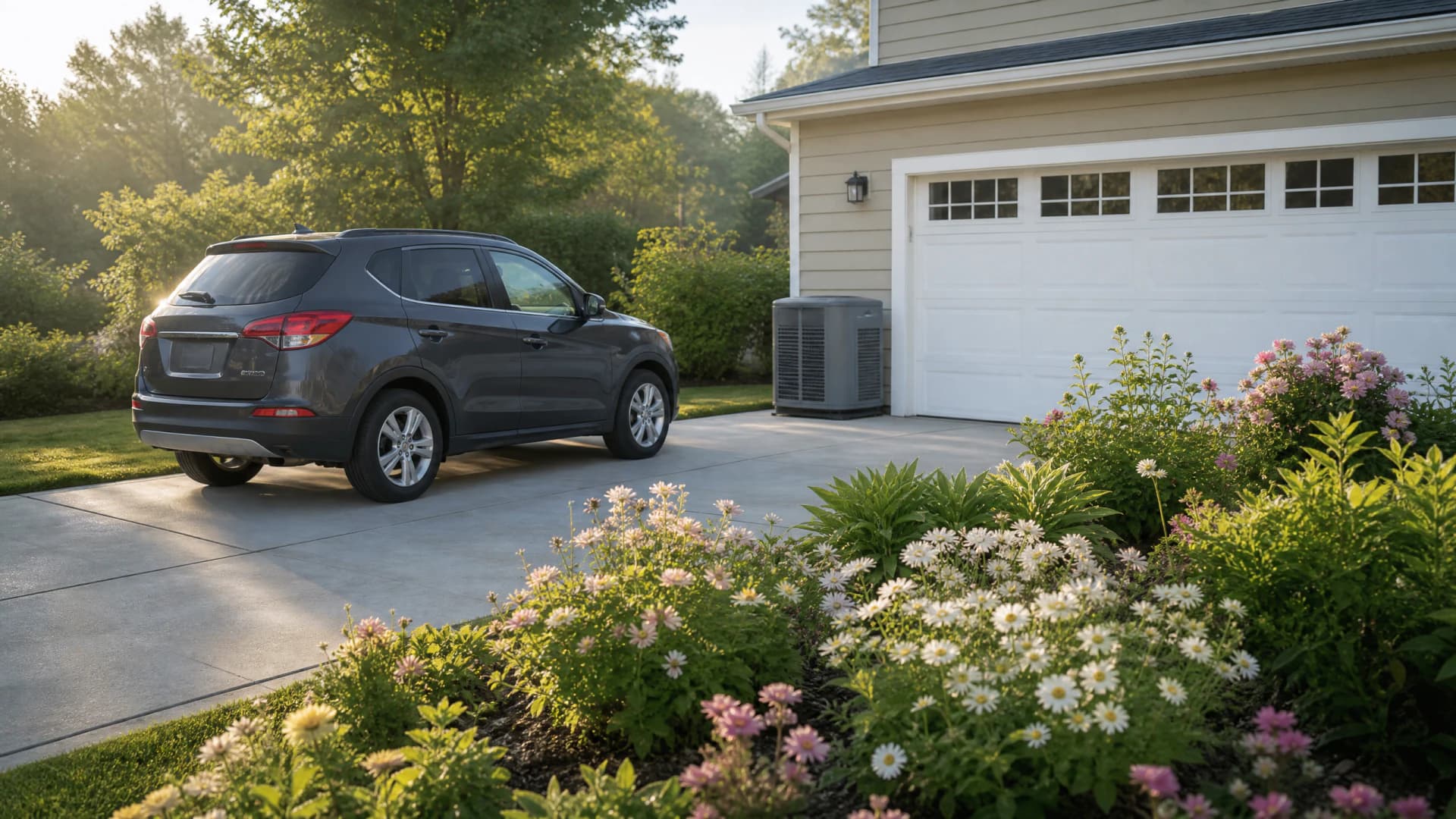
Kentucky law does not require you to cancel your auto insurance policy when you stop driving, but maintaining full coverage on a garaged vehicle driven fewer than 500 miles per year rarely makes financial sense for drivers over 75. Most carriers offer a "stored vehicle" or "comprehensive-only" endorsement that drops liability and collision coverage while maintaining comprehensive coverage for fire, theft, and weather damage. This reduces premiums 60–75% while keeping the vehicle insured and registration valid.
If the vehicle remains titled in the non-driving senior's name and garaged at their address, the policy must stay active to maintain valid Kentucky registration. If the vehicle transfers to an adult child or other family member, the title transfer triggers a new policy requirement in the new owner's name. Canceling the policy without transferring or surrendering the title results in registration suspension and a $40 reinstatement fee when coverage resumes.
Some families keep a non-driving senior listed as a named insured on a family member's policy to maintain continuous coverage history, which can matter if the senior later needs to reinstate their own policy or if Medicaid estate recovery examines asset transfers. Check with your carrier before adding a non-driving senior as a named insured — several carriers in Kentucky will rate the policy based on the oldest listed driver even if that driver is explicitly excluded from operation.

Find Coverage That Fits Driving Past 75
Compare Auto Insurance for Drivers 75+How Kentucky's Mature Driver Course Affects Rates After the Driving Conversation
Kentucky requires insurers to offer a premium discount to drivers who complete an approved mature driver improvement course, typically 5–10% depending on carrier. The course must be approved by the Kentucky Transportation Cabinet and renewed every three years to maintain the discount. AARP Smart Driver and AAA Roadwise Driver are the most widely available approved programs in Kentucky, offered online and in-person.
The discount applies even if the driver completes the course and then reduces their driving significantly or moves to a restricted license. Carriers cannot remove the mature driver discount based solely on age or medical restrictions as long as the certification remains current. For families navigating the transition from full driving to restricted or occasional driving, completing the course before reducing mileage locks in the discount during a period when premiums often increase.
If a senior stops driving entirely and the policy converts to comprehensive-only coverage, the mature driver discount typically falls off because there is no liability exposure to discount. A few Kentucky carriers will apply a smaller "garaging discount" for stored vehicles owned by drivers with mature driver course completion, but this is not mandated by state law and varies by carrier.

Liability Coverage Stays Important Even After Someone Stops Driving Their Own Vehicle
A common misconception among Kentucky families is that a senior who stops driving no longer needs liability coverage. If the senior occasionally drives a family member's vehicle, borrows a neighbor's car for a short errand, or rents a vehicle while traveling, they remain legally liable for any at-fault crash. Kentucky is a choice no-fault state, but tort liability still applies to serious injury crashes regardless of no-fault election.
Non-owner liability coverage is designed for exactly this situation. It provides liability protection when driving a vehicle the policyholder does not own, typically at significantly lower premiums than a standard auto policy because there is no physical damage exposure. Most Kentucky carriers offer non-owner policies with state minimum liability limits (25/50/10) starting around $25–$40/mo for drivers over 75 with clean records.
Non-owner policies also maintain continuous coverage history, which matters if the senior later needs to reinstate a standard policy or if they move in with family and need to be listed on a household policy. A six-month gap in coverage can increase premiums 10–20% when coverage resumes, even for drivers with decades of prior continuous coverage. For seniors transitioning out of regular driving, a non-owner policy bridges the gap between full auto coverage and complete policy cancellation.

What Kentucky DMV Records Show After a Medical Referral
When the Kentucky Medical Review Board imposes restrictions or requires a driver evaluation, the action appears on the driver's motor vehicle record (MVR) as an administrative notation, not a violation or conviction. Insurance carriers review MVRs during underwriting and renewal, and medical review notations trigger additional underwriting scrutiny.
Carriers cannot automatically non-renew a policy based solely on a Medical Review Board referral, but they can request updated medical documentation, require a defensive driving course, or adjust rates based on the documented medical condition. Kentucky law prohibits insurers from canceling a policy mid-term except for non-payment, fraud, or license suspension — but at renewal, carriers have wider discretion.
If the Medical Review Board finds the driver medically unfit and suspends the license, that suspension appears on the MVR as a definite suspension with reason code "medical." Most standard carriers will non-renew at the next renewal cycle after a medical suspension. A few non-standard carriers in Kentucky will write policies for drivers with medical suspensions who later have restrictions lifted, but premiums typically run 40–60% higher than standard market rates for the first policy term after reinstatement.
Frequently Asked Questions
Can I submit a medical referral form for my parent in Kentucky without them knowing?
Yes. Kentucky's Driver Medical Evaluation Form (TC 96-415) can be submitted by family members, physicians, or law enforcement without the driver's knowledge or consent. The driver receives written notice from the Medical Review Board after the form is reviewed, not when it is submitted. Most families report this creates significant trust issues if the driver was not involved in the decision to file.
Does Kentucky require a road test for drivers over 75?
No. Kentucky does not require road testing based solely on age. The Medical Review Board can order a driving evaluation at any age if a medical condition or referral raises safety concerns. Standard license renewal for drivers over 75 in Kentucky requires vision testing and written knowledge testing every four years, but not a road test unless specifically requested by the board.
What happens to my car insurance if my Kentucky license gets medically suspended?
Your carrier will likely non-renew your policy at the next renewal after a medical suspension appears on your MVR. Kentucky law prohibits mid-term cancellation except for non-payment or fraud, so your current policy term continues. You can convert to a comprehensive-only or stored vehicle policy if you stop driving, which maintains coverage on the vehicle without liability exposure.
Can I keep my mature driver discount in Kentucky if I switch to a restricted license?
Yes, as long as your approved mature driver course certification remains current. Kentucky requires insurers to honor the mature driver discount regardless of license restrictions or reduced mileage, as long as the policy includes liability coverage. If you convert to comprehensive-only coverage on a stored vehicle, the discount typically falls off because there is no liability exposure to discount.
How much does non-owner car insurance cost in Kentucky for a senior who stopped driving?
Non-owner liability policies in Kentucky with state minimum limits (25/50/10) typically cost $25–$40/mo for drivers over 75 with clean records. Premiums increase 30–50% if the driver has recent violations or a medical suspension on their record. Non-owner policies maintain continuous coverage history and provide liability protection when occasionally driving vehicles you do not own.
Related Articles

Arizona Medical Referral & License Options for Seniors
4/29/2026

Maryland Family Driving Talk: Medical Review & Coverage
4/29/2026

WY Family Driving Talk: Medical Review & Restrictions
4/29/2026

Alabama Medical Referral Process for Senior Drivers
4/29/2026

Montana Medical Referral Process for Senior Drivers
4/29/2026