
When to Stop Driving in Delaware: License Surrender & Insurance Steps
Free to compare
Delaware's Voluntary License Surrender Process: What Happens to Your Driving Record
Delaware processes voluntary license surrender as a permanent revocation under 21 Del.C. §2754, not a temporary suspension. When you surrender your license to the Delaware Division of Motor Vehicles, your driving privilege ends immediately and does not automatically reinstate if you change your mind later. Reinstatement requires applying for a new license as if you never held one, including written and road tests if more than three years have passed.
The surrender creates a permanent record notation visible to insurance companies and state agencies. Most Delaware seniors surrender voluntarily after a medical event, family discussion, or when insurance costs exceed the value of occasional driving. The DMV does not require a reason for voluntary surrender, but the record will show "voluntary surrender" rather than "medical revocation" or "court-ordered," which matters for future background checks and state ID applications.
You can surrender at any Delaware DMV office without an appointment. Bring your physical license, a government-issued ID if your license photo is more than 10 years old, and documentation of your current Delaware address. The DMV issues a dated receipt showing surrender completion, which you'll need for insurance cancellation and refund processing.

How Insurance Cancellation Works After License Surrender in Delaware
Insurance companies in Delaware will not cancel your auto policy automatically when you surrender your license. You must request cancellation in writing and provide proof of surrender — either the DMV receipt or a letter from DMV confirming the surrender date. Most carriers require this documentation before processing a prorated refund to prevent fraudulent cancellation claims.
Delaware is a fault state, and carriers assume you remain a legal driver until proven otherwise. If you cancel insurance before surrendering your license, Delaware DMV can flag your registration as uninsured under the state's continuous coverage requirement, triggering reinstatement fees even though you no longer drive. Surrender the license first, then cancel insurance within 30 days to avoid this administrative complication.
Carriers calculate prorated refunds from the surrender date, not the date you request cancellation. If you surrender on March 15 but don't notify your carrier until April 10, you're entitled to a refund starting March 15 — but most carriers won't backdate without the DMV receipt showing the earlier surrender date. Expect refund processing to take 3-6 weeks after the carrier receives DMV documentation. Automatic payment plans continue until the carrier processes the cancellation, so contact your bank to stop auto-debit once you receive written cancellation confirmation.

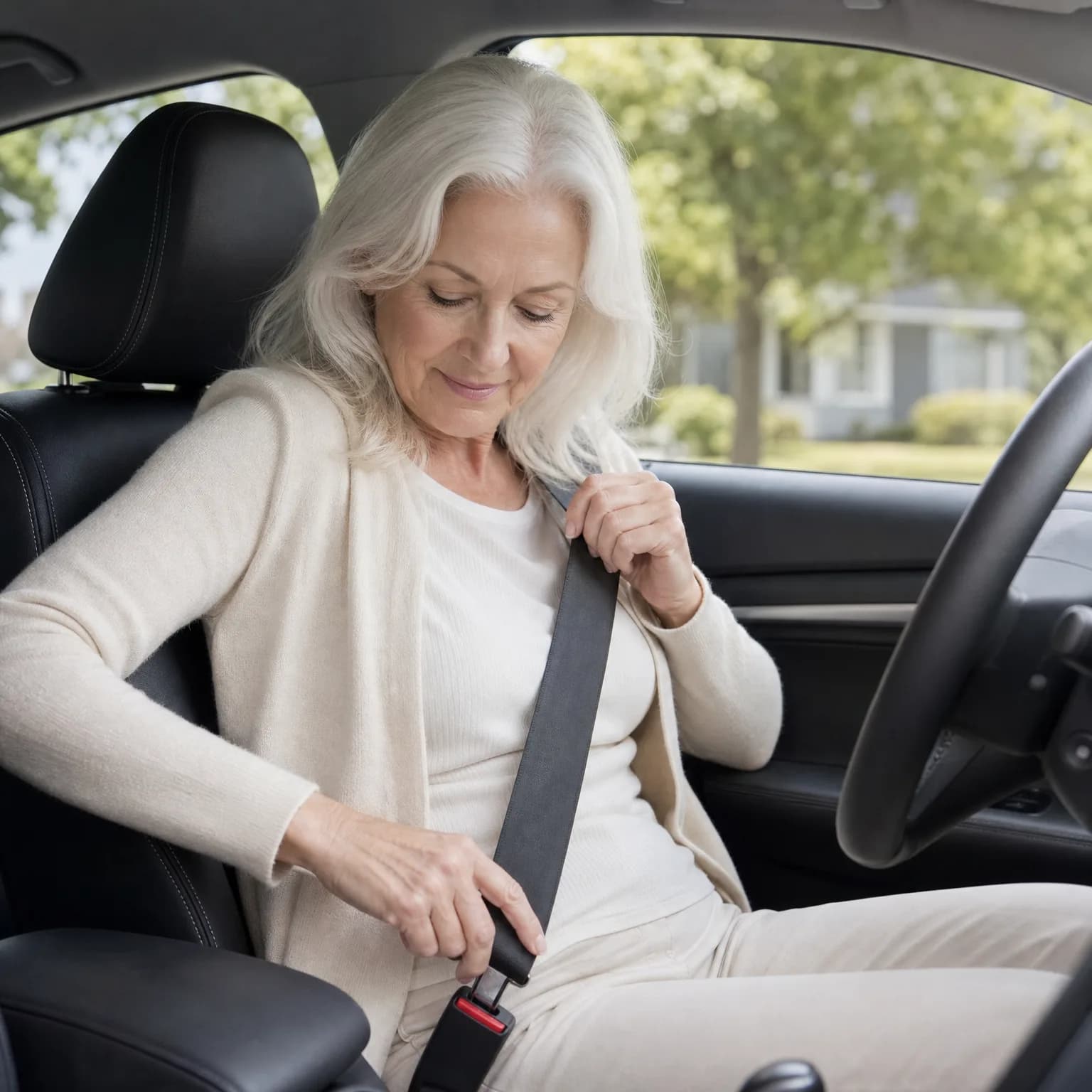
Delaware ID Card Replacement: Same-Day Processing and What You'll Need
Delaware offers same-day ID card issuance at all full-service DMV locations for drivers surrendering licenses. You apply for the state ID card during the same visit where you surrender your license, using the same REAL ID documentation you originally provided for your driver's license. Bring your current license, proof of Social Security number, and two proofs of Delaware residency dated within the past year.
The ID card costs $40 for an 8-year standard card or $60 for an 8-year REAL ID-compliant card. If your current driver's license is already REAL ID-compliant, Delaware transfers that status to your new ID card automatically without requiring you to re-submit documentation. The ID card uses your existing license photo unless you request a new photo, which costs an additional $10.
Delaware ID cards for former drivers aged 75 and older do not expire on your birthday like standard IDs — they expire exactly 8 years from the issue date. This matters for planning renewal visits, especially if you rely on family members or paratransit for DMV trips. The card functions identically to a driver's license for banking, TSA checkpoints, and prescription pickup, but clearly states "Identification Card" rather than "Driver License" across the top.

Find Coverage That Fits Driving Past 75
Compare Auto Insurance for Drivers 75+Insurance Refund Calculations: What Delaware Seniors Actually Receive
Delaware insurance refunds are prorated to the day based on your remaining policy term, but carriers deduct cancellation fees that typically range from $25 to $75 depending on your policy type and payment method. If you paid your premium in full at the start of the term, you'll receive the unused portion minus the cancellation fee. If you paid monthly, the refund calculation is more complex — carriers calculate what you would have owed for a shorter term policy, subtract what you've already paid, and refund the difference if positive.
Short-rate penalties apply if you cancel mid-term in Delaware. Most carriers charge 10-15% of the unearned premium as a penalty for early cancellation, meaning you receive less than a pure prorated refund. This penalty does not apply if the carrier cancels your policy or if you die during the policy term — family members handling estate settlement should request full prorated refunds without short-rate penalties in those situations.
Carriers with Delaware senior driver programs may owe you partial refunds for unused mature driver course discounts if you cancel before the annual verification date. If you completed a state-approved defensive driving course that earned you a 5-10% discount, and you cancel halfway through the discount eligibility period, you're entitled to a refund reflecting the full discount value for the time you remained insured. Most carriers don't calculate this automatically — you must request it specifically when submitting cancellation paperwork.

What Happens to Your Vehicle Registration After License Surrender
Delaware does not automatically cancel vehicle registration when you surrender your license. Your registration remains active until its printed expiration date, but you cannot legally drive the vehicle on public roads without a valid license. If a family member or caregiver will continue using the vehicle, they must be listed on the insurance policy and registration — Delaware requires registered owners to maintain liability coverage even if they don't drive.
You can transfer registration to a family member or sell the vehicle without penalties after license surrender. Delaware DMV charges a standard $35 title transfer fee for family transfers, and the new owner must provide proof of insurance in their name before DMV processes the registration transfer. If you keep the vehicle registered in your name but insured under a family member's policy, most carriers require a named insured exclusion form stating you will not drive — without this exclusion, carriers may deny claims if an accident occurs.
Plate surrender is optional in Delaware if you're permanently stopping driving. You can return plates to any DMV office for a $5 processing credit, or keep them as inactive plates without penalty. If you plan to sell the vehicle privately, keeping plates active until the sale simplifies the transaction — the buyer can drive the vehicle home on your plates during the 30-day transfer window Delaware allows for private sales.

Delaware-Specific Programs and Alternatives to Full License Surrender
Delaware does not offer a restricted or daylight-only license option for seniors who want to limit rather than stop driving completely. Once you surrender, reinstatement requires full re-licensure. If you're considering surrender because of specific limitations — night vision, highway speed, or medical conditions that affect only certain driving situations — speak with your physician about a medical restriction recommendation instead of full surrender.
The Delaware Office of Highway Safety funds a volunteer driver program through local senior centers and Area Agencies on Aging, but availability is limited to medical appointments and grocery trips in New Castle, Kent, and Sussex counties. Wait times average 5-10 business days for non-emergency trips. DART First State offers paratransit service for seniors with mobility limitations, but eligibility requires an ADA certification process that takes 21 days and does not automatically apply to former drivers.
Delaware insurance carriers do not offer non-driver discounts or "parked vehicle" policies for seniors who surrender licenses but keep vehicles for emergency use or family member access. Once you cancel your policy, any vehicle use — even moving it in your driveway — creates liability exposure. If you're uncertain about permanent surrender, consider reducing coverage to liability-only minimum rather than full cancellation. Delaware's minimum liability requirement is 25/50/10, which costs $35-$65/month for drivers over 75 with clean records, substantially less than full coverage policies most seniors carry on paid-off vehicles.
Frequently Asked Questions
Can I get my Delaware driver's license back after voluntary surrender?
Yes, but Delaware treats voluntary surrender as permanent revocation, requiring you to apply for a new license with written and road tests if more than three years have passed since surrender. Reinstatement is not automatic and costs the same as initial licensure.
How long does it take to receive an insurance refund after surrendering a Delaware license?
Most carriers process refunds 3-6 weeks after receiving DMV documentation confirming your surrender date. Refunds are prorated from the surrender date minus a cancellation fee of $25-$75 and a short-rate penalty of 10-15% of unearned premium in Delaware.
Does Delaware DMV notify my insurance company when I surrender my license?
No, Delaware DMV does not automatically notify insurance carriers of license surrender. You must contact your carrier directly and provide written proof of surrender — either the DMV receipt or a DMV confirmation letter — to request policy cancellation and refund.
What happens to my vehicle registration if I stop driving in Delaware?
Delaware registration remains active until its expiration date even after license surrender. You can keep the vehicle registered if a family member drives it and is listed on the insurance policy, or you can surrender plates for a $5 credit at any DMV office.
Can Delaware seniors get a restricted license instead of full surrender?
No, Delaware does not offer daylight-only or restricted radius licenses for seniors. If you surrender your license and later want to drive again, you must reapply for full licensure including written and road tests if more than three years have passed.
Related Articles

Surrender License in Virginia: ID Card & Refund Steps
4/29/2026

Stopping Driving in CT: License Surrender & Refund Steps
4/29/2026

Stop Driving in SD: License Surrender & Insurance Refund
4/29/2026

Voluntary License Surrender Process in Maryland (75+)
4/29/2026

NY License Surrender: Insurance Refunds for Seniors 75+
4/29/2026

Voluntary License Surrender in Rhode Island: Seniors 75+
4/29/2026