
When to Stop Driving in North Dakota: License Surrender & Refunds
Free to compare
How North Dakota's Voluntary License Surrender Works for Drivers Over 75
North Dakota allows any driver to voluntarily surrender their license at any age without a medical review or family petition. You visit any DMV location, complete Form SFN 2872 (Application for Duplicate or Renewal), check the box marked "surrender for non-driver ID," and receive a state-issued photo ID card using your existing license photo. No new photo required if your current license photo was taken within the last 8 years. The entire process takes 15–20 minutes and costs $15 for the ID card, which is valid for 6 years.
Your surrender becomes effective immediately. The DMV uploads the cancellation to the state's driver record database within 24 hours, which carriers access directly when you request policy cancellation. You receive a stamped surrender receipt at the counter — keep three copies. One goes to your insurance carrier, one to any lienholder if your vehicle has a loan, and one for your records when you register as a non-driver on a family member's policy.
Unlike license suspension, voluntary surrender does not trigger SR-22 requirements, does not appear as a violation on your driving record, and does not affect your ability to obtain a state ID for banking, travel, or prescription pickup. If you change your mind within 6 months, you can reapply for a license without retaking the written or road test, though you will pay the $15 reinstatement fee and complete a vision screening.

Getting Your Insurance Refund: The 30-Day Window Most Carriers Never Mention
North Dakota requires carriers to refund unused premium when you cancel mid-term for license surrender, but the refund calculation and speed depend entirely on whether you submit your DMV surrender receipt within 30 days of your cancellation request. Miss that window, and most carriers apply a "short-rate" penalty that reduces your refund by 10–25% of the unused premium, or they calculate the refund from the date you eventually submit proof rather than your actual surrender date.
Submit your surrender receipt within 30 days, and you receive a pro-rata refund calculated to the exact day you surrendered your license. If you paid $840 for a 6-month policy and surrender your license 90 days into the term, you have 90 days of unused coverage. Your refund is $420, typically issued as a check within 14–21 business days or applied as a credit if the policy was financed. State Farm, Progressive, and Nationwide process these refunds fastest in North Dakota — usually within 10 business days of receiving your surrender receipt.
Carriers do not automatically refund your premium when the state reports your license surrender. You must contact your agent or carrier directly, state that you have voluntarily surrendered your license, and request mid-term cancellation with a pro-rata refund. Then submit your stamped DMV receipt by mail, email, or fax within 30 days of that phone call. Without the receipt, your policy stays active and you continue to owe premiums even though you are no longer legally allowed to drive.

What Happens to Your Vehicle After You Stop Driving
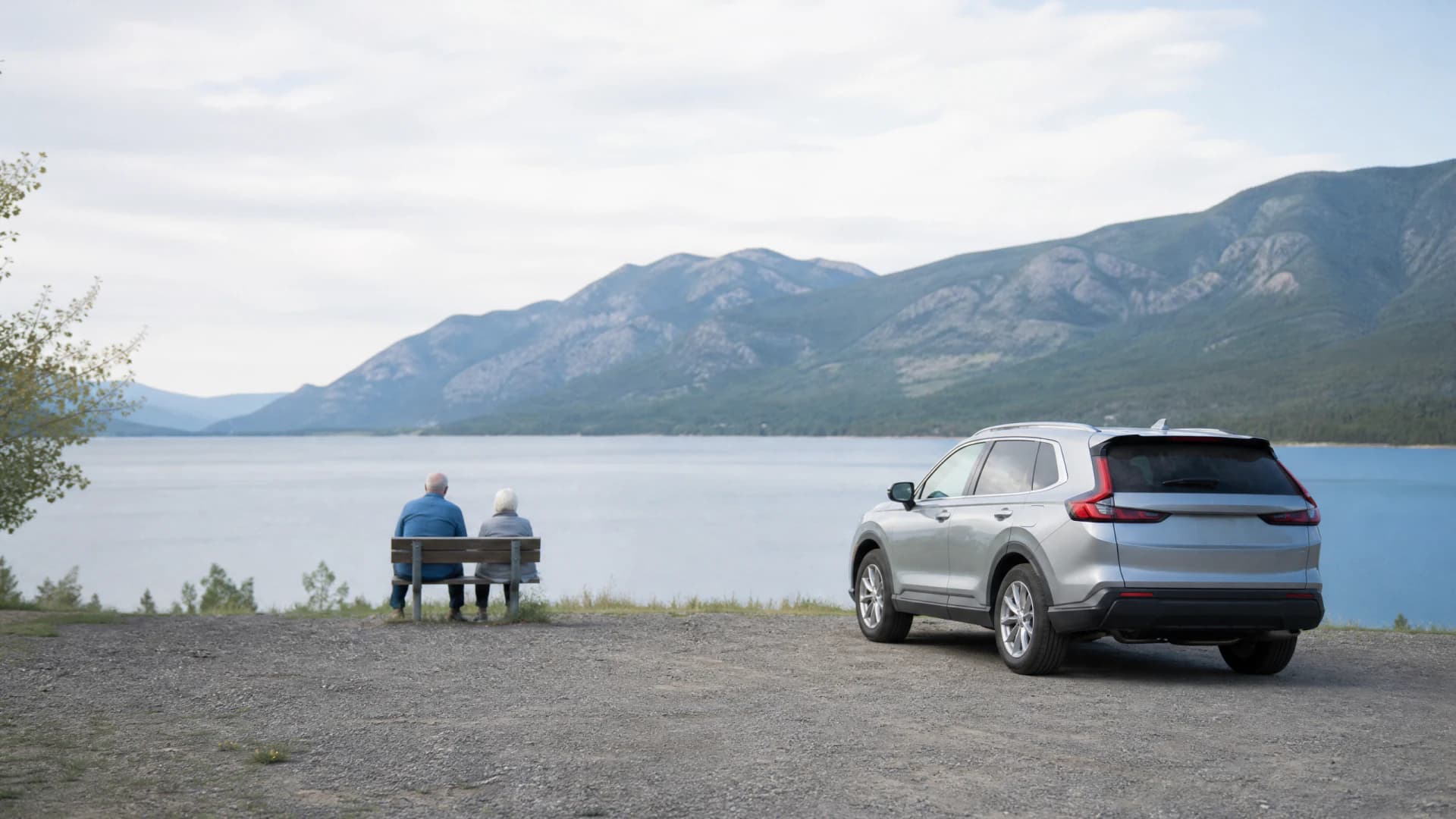
Once you surrender your license, you cannot legally operate your vehicle on any North Dakota roadway, parking lot, or private property accessible to the public. If you still own the vehicle, you have four options: transfer the title to a family member who will drive it, store it uninsured and unregistered, maintain insurance and registration with another driver listed as the primary operator, or sell it.
If a family member will drive the vehicle regularly, transfer the title to them and have them insure it under their own policy. This produces the cleanest break and eliminates any liability exposure tied to your name. If you want to retain ownership but have someone else drive it occasionally, you can keep the vehicle registered and insured with the other driver listed as the primary operator on the policy. Under North Dakota law, the registered owner is liable for damages caused by anyone driving with permission, so you remain exposed even if you never touch the steering wheel.
Storing the vehicle uninsured is legal only if you surrender the license plates to the DMV and file a non-use affidavit. The vehicle cannot be parked on any street or public lot during storage. If you plan to store the vehicle for more than 6 months, comprehensive-only coverage costs $8–$15/month and protects against theft, hail, and fire without paying for liability or collision you cannot use. Most drivers over 75 find this option uneconomical unless the vehicle has high sentimental value or a family member may want it later.

Find Coverage That Fits Driving Past 75
Compare Auto Insurance for Drivers 75+Switching to a Non-Driver on Someone Else's Policy
If you live with a spouse, adult child, or other family member who drives, you can cancel your individual policy and be listed as a non-driver or excluded driver on their policy. This keeps you insured as a household member for any medical payments or uninsured motorist claims that apply to passengers, but it removes you from liability exposure and eliminates your premium.
To make this switch, the primary policyholder submits your license surrender receipt to their carrier and requests that you be listed as a "non-rated household member" or "excluded driver." Most North Dakota carriers allow this at no additional cost as long as your surrender receipt confirms you are no longer licensed. If you are excluded, you are explicitly barred from driving any vehicle on the policy, and any accident you cause while driving results in a claim denial and immediate policy cancellation for the entire household.
This arrangement works best when the policyholder is a spouse or adult child you trust completely. If the relationship sours or the policyholder moves out, you lose coverage immediately and cannot reinstate your own policy without first reinstating your driver's license. Some carriers, including American Family and Auto-Owners, require annual re-verification of your non-driver status — they will request an updated DMV record each year at renewal to confirm your license has not been reinstated.
How Stopping Driving Affects Your Future Insurance Options
If you voluntarily surrender your license at 76 and then decide at 78 that you want to drive again, you can reinstate your North Dakota license by passing a vision test and paying the $15 fee. No written test or road test is required if you reinstate within 6 years of surrender. Once reinstated, you can apply for new auto insurance, but your premium will reflect a 2-year gap in continuous coverage.
Carriers treat a coverage gap differently than a license suspension. You are not flagged as high-risk, and you do not need SR-22 filing. However, you lose any continuous coverage discount, which typically reduces premiums by 10–15% for drivers with 3+ years of uninterrupted coverage. For a driver over 75, this gap penalty adds $150–$300 annually to your premium for the first 3 years after reinstatement.
If your license was voluntarily surrendered due to a medical condition that has since resolved, some carriers require a medical clearance letter from your physician before issuing a new policy. This is not a state requirement, but carriers including Progressive and Nationwide apply it as underwriting policy for drivers over 75 who reinstated after a voluntary surrender. If you cannot provide the letter, your options narrow to non-standard carriers like Dairyland or The General, where premiums run 40–60% higher than standard market rates.

State ID Replacement Process and What the Card Allows You to Do
The North Dakota non-driver ID card you receive when surrendering your license is a REAL ID–compliant credential valid for domestic air travel, federal building entry, and all purposes that previously required your driver's license except vehicle operation. You use the same photo from your current license unless it is more than 8 years old, in which case the DMV takes a new photo at no additional charge.
Your non-driver ID does not expire on your birthday like a driver's license does. It is valid for 6 years from the issue date regardless of your age. If you are 76 when you surrender your license, your ID is valid until you are 82. Renewal costs $15 and requires only a vision test if you want to convert it back to a driver's license, or $8 if you want to renew it as a non-driver ID without reinstatement eligibility.
Banks, pharmacies, and TSA agents treat the non-driver ID identically to a driver's license for identity verification. The card does not indicate why you surrendered your license, your age at surrender, or any medical history. If a clerk or agent asks why you have a non-driver ID instead of a license, you are not required to explain. The card is sufficient legal identification for any non-driving purpose under North Dakota and federal law.
Frequently Asked Questions
Can I get my North Dakota license back after voluntarily surrendering it?
Yes, you can reinstate your license within 6 years of voluntary surrender by passing a vision test and paying a $15 fee. No written or road test is required unless your license has been expired for more than 6 years. If your surrender was due to a medical condition, some carriers require a physician's clearance letter before issuing a new policy.
Do I have to cancel my car insurance when I surrender my driver's license in North Dakota?
No, but you cannot legally drive, so continuing to pay for liability and collision coverage provides no benefit. Most drivers cancel their policy and submit the surrender receipt to receive a pro-rata refund of unused premium. If you want to keep the vehicle insured without driving it, comprehensive-only coverage costs $8–$15/month.
How long does it take to get my insurance refund after surrendering my license?
Most North Dakota carriers issue refunds within 14–21 business days if you submit your DMV surrender receipt within 30 days of requesting cancellation. Miss that deadline, and carriers apply a short-rate penalty or calculate the refund from the date you submit proof rather than your actual surrender date, reducing your refund by 10–25%.
What happens to my car registration after I surrender my North Dakota driver's license?
Your registration remains valid until its expiration date even after you surrender your license. You can transfer the title to a family member, store the vehicle unregistered by surrendering the plates, or keep it registered with another driver listed as the primary operator on an active insurance policy.
Related Articles
Stop Driving in SD: License Surrender & Insurance Refund
4/29/2026

Surrender License in Nebraska: ID Card & Insurance Refund
4/29/2026

When to Stop Driving in NC: License Surrender Guide
4/29/2026
Surrender License in Montana: ID, Insurance & Refunds
4/29/2026
Surrendering Your License in Minnesota: ID and Insurance Steps
4/29/2026

Stop Driving in Nevada: License Surrender & Refund Guide
4/29/2026