
When to Stop Driving in West Virginia: License Surrender and Refunds
Free to compare
What Voluntary License Surrender Means for Your Insurance Policy
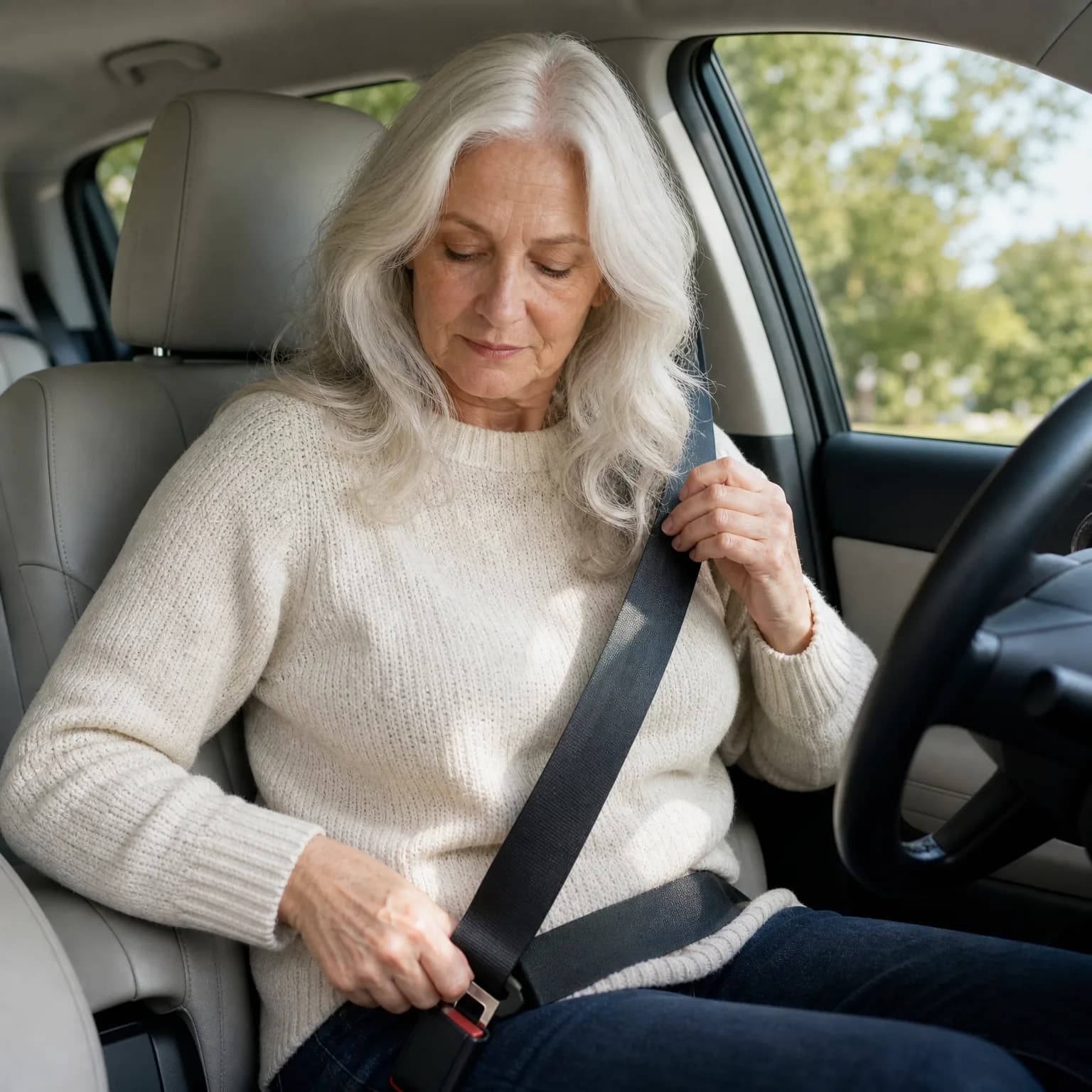
Voluntarily surrendering your driver's license in West Virginia terminates your legal ability to operate a vehicle, which makes you ineligible to maintain an active auto insurance policy. Most carriers will cancel your policy once they receive documentation proving you no longer hold a valid license, but they will not initiate this process automatically. You must contact your insurer directly, provide proof of surrender from the West Virginia DMV, and request policy cancellation to stop premium charges and potentially receive a prorated refund for unused coverage days.
The refund calculation depends on your carrier's cancellation policy and how much of your policy term remains. If you surrender your license three months into a six-month policy and your carrier allows prorated refunds for voluntary mid-term cancellations, you would receive credit for the unused three months minus any administrative fees. However, some carriers apply short-rate penalties to mid-term cancellations, which reduce your refund by 10–15% of the unused premium as a processing charge.
Timing matters significantly. Most carriers require cancellation requests within 30 days of the effective surrender date to calculate refunds from that date. If you surrender your license on March 15 but do not notify your carrier until May 10, many insurers will calculate the refund from May 10 forward, not March 15, meaning you lose nearly two months of potential credit.

How to Surrender Your West Virginia Driver's License
West Virginia allows voluntary license surrender at any DMV regional office. You bring your current driver's license, complete a voluntary surrender form available at the counter, and receive a stamped receipt confirming the surrender date and your license number. This receipt is the only documentation most insurance carriers will accept as proof of surrender, so keep the original and request at least two photocopies before leaving the office.
The DMV does not require you to state a reason for voluntary surrender, but documenting your decision in writing can be helpful if you later need to demonstrate to your insurer that the surrender was intentional and not the result of a suspension or medical disqualification. Some carriers treat voluntary surrenders more favorably than license revocations when calculating refunds or determining eligibility for future non-driver policies.
Once you surrender your license, West Virginia law prohibits you from operating any motor vehicle on public roads, even in an emergency. This is a permanent change unless you later apply for license reinstatement, which requires passing the full written and road tests again regardless of your prior driving record or years of experience.


Replacing Your Driver's License with a West Virginia State ID Card
You can apply for a state-issued photo ID card at the same DMV visit where you surrender your license. The state ID serves as valid identification for banking, healthcare appointments, travel within the U.S., and other situations where photo ID is required. The standard ID card costs $10 and is valid for eight years. Seniors aged 65 and older pay a reduced fee of $5.
You will need to provide proof of identity, Social Security number, and West Virginia residency. Acceptable documents include a birth certificate or passport for identity, your Social Security card or a W-2 form showing your full SSN, and a utility bill or bank statement showing your current West Virginia address dated within the past 90 days. If you are surrendering your license the same day, the DMV will accept your current driver's license as proof of identity and residency, which simplifies the process significantly.
The state ID card will show your photo, full legal name, date of birth, address, and ID number. It does not indicate that you previously held a driver's license or why you no longer drive. Most West Virginia seniors report receiving their ID card by mail within 10–15 business days of application.

Find Coverage That Fits Driving Past 75
Compare Auto Insurance for Drivers 75+How to Request an Insurance Premium Refund After License Surrender
Contact your insurance carrier's customer service line within 48 hours of surrendering your license. State clearly that you have voluntarily surrendered your West Virginia driver's license, provide the exact surrender date from your DMV receipt, and request immediate policy cancellation with a prorated refund for unused premium. Ask the representative to email or mail written confirmation of your cancellation request, the effective cancellation date, and the refund amount you should expect.
Mail or email a copy of your DMV surrender receipt to your carrier within five business days of your phone request. Most carriers will not process a refund without this documentation, even if you have requested cancellation by phone. Keep a dated copy of everything you send and note the name of every representative you speak with during the process.
Refund processing times vary by carrier. State Farm and GEICO typically issue refunds within 15–20 business days of receiving surrender documentation. Progressive and Allstate average 20–30 business days. If you paid your premium in full at the start of the policy term, expect a check mailed to your address on file. If you paid monthly, most carriers will stop automatic withdrawals within one billing cycle and refund any overlap as a check or account credit.
If your carrier denies your refund request or applies a short-rate penalty you believe is incorrect, contact the West Virginia Offices of the Insurance Commissioner at 1-888-879-9842. The Consumer Services Division can review your policy terms and mediate disputes over cancellation refunds for West Virginia residents.

What Happens to Your Vehicle Registration After You Stop Driving
West Virginia does not automatically cancel vehicle registration when you surrender your driver's license. Your vehicle remains titled and registered in your name, and annual registration renewals will continue to generate notices unless you take action. If you no longer plan to drive and do not have another licensed driver in your household who will operate the vehicle, you have three options.
You can maintain the registration and keep the vehicle insured under a parked vehicle or storage coverage policy, which typically costs $15–$35 per month and covers fire, theft, vandalism, and weather damage while the vehicle is not in use. This option makes sense if you plan to sell the vehicle privately and need to keep it legally titled during the sale process.
You can transfer the vehicle title to a family member who will continue driving it. This requires a title transfer form available from the DMV, proof of insurance in the new owner's name, and payment of a $15 title transfer fee. The new owner will then register the vehicle under their own insurance policy.
You can surrender the registration plates to the DMV and place the vehicle title in non-operational status, which stops registration renewals and eliminates the insurance requirement. This option is appropriate if you plan to donate the vehicle, scrap it, or leave it parked indefinitely on private property. Non-operational status does not cancel the title itself, so you retain legal ownership and can reinstate registration later if circumstances change.
How Voluntary License Surrender Affects Future Insurance Options
Voluntarily surrendering your license does not create a negative record with insurance carriers or the West Virginia DMV. If you later decide to reapply for a driver's license and obtain one, you can purchase auto insurance again as a new applicant. Carriers will rate you based on your age, vehicle, coverage selections, and driving record from the date you regain your license forward.
However, the gap in continuous coverage may affect your premium. Most carriers offer discounts for drivers who maintain uninterrupted insurance coverage over multiple years, and a gap of six months or longer typically resets that continuity. Seniors who surrender their licenses for one to three years and then return to driving often see premiums 10–20% higher than they would have paid with continuous coverage, even if their driving record remains clean.
If you live in a household with another licensed driver who will continue operating your vehicle, some carriers allow you to remain listed on the policy as a non-driver or excluded driver. This keeps your name associated with an active policy without requiring you to hold a valid license. Not all carriers offer this option in West Virginia, and it typically requires written documentation of your license surrender and a signed exclusion form stating you will not drive any vehicle covered under the policy.
Frequently Asked Questions
Can I get a partial refund if I surrender my license halfway through my policy term?
Most carriers will issue a prorated refund for the unused portion of your policy term if you provide proof of voluntary license surrender and request cancellation in writing within 30 days of the surrender date. Some carriers apply short-rate penalties that reduce your refund by 10–15%, and a few do not offer mid-term refunds at all for voluntary cancellations, so check your policy terms before surrendering your license.
Do I need to notify my insurance company before surrendering my West Virginia driver's license?
You are not legally required to notify your carrier before surrendering your license, but doing so within 48 hours of surrender maximizes your refund and prevents additional premium charges from accruing. Most carriers will not process a refund until they receive your DMV surrender receipt, so the sooner you provide documentation, the sooner billing stops.
Will surrendering my license affect my ability to get car insurance in the future?
Voluntary license surrender does not create a negative insurance record, but the gap in continuous coverage may increase your premium when you return to driving. Seniors who stop driving for one to three years and then reapply for insurance typically see premiums 10–20% higher than they would have paid with uninterrupted coverage, even with a clean driving record.
Can I keep my car registered in West Virginia if I no longer have a driver's license?
West Virginia allows you to keep your vehicle registered even after surrendering your license, but you must maintain insurance or place the registration in non-operational status. If no licensed driver in your household will operate the vehicle, most seniors either switch to a parked vehicle storage policy or surrender the plates to stop registration renewals.
Related Articles
Surrender License in Virginia: ID Card & Refund Steps
4/29/2026

Vermont License Surrender & Insurance Refund (Age 75+)
4/29/2026

PA License Surrender: Insurance Refund & ID Card Steps
4/29/2026
Surrender NJ License: Get Your Insurance Refund
4/29/2026
Stop Driving in DC: License Surrender & Refund Steps
4/29/2026

Stop Driving in Delaware: License Surrender & Refund Steps
4/29/2026