
When to Stop Driving in Wisconsin: Surrender, ID, and Refunds
Free to compare
Wisconsin Doesn't Force License Surrender at Any Age
Wisconsin law does not require drivers to surrender their license at 75, 80, or any other age threshold. Unlike Illinois, which mandates in-person renewal testing after 75, Wisconsin treats all renewal cycles identically regardless of age. Your license remains valid through its expiration date unless you choose to surrender it or the DMV revokes it based on a medical report or unsafe driver referral.
Voluntary surrender is a personal decision, often driven by health changes, family conversations, or financial pressure from rising insurance costs. The state provides a clear process for surrender and ID replacement, but most drivers don't learn the steps until they're ready to act. Knowing the sequence in advance lets you control timing and avoid complications with insurance refunds.
If your carrier has indicated non-renewal or your rates have increased to the point where driving is no longer financially sustainable, voluntary surrender before the policy term ends preserves your ability to request a prorated refund without a coverage lapse appearing on your record.
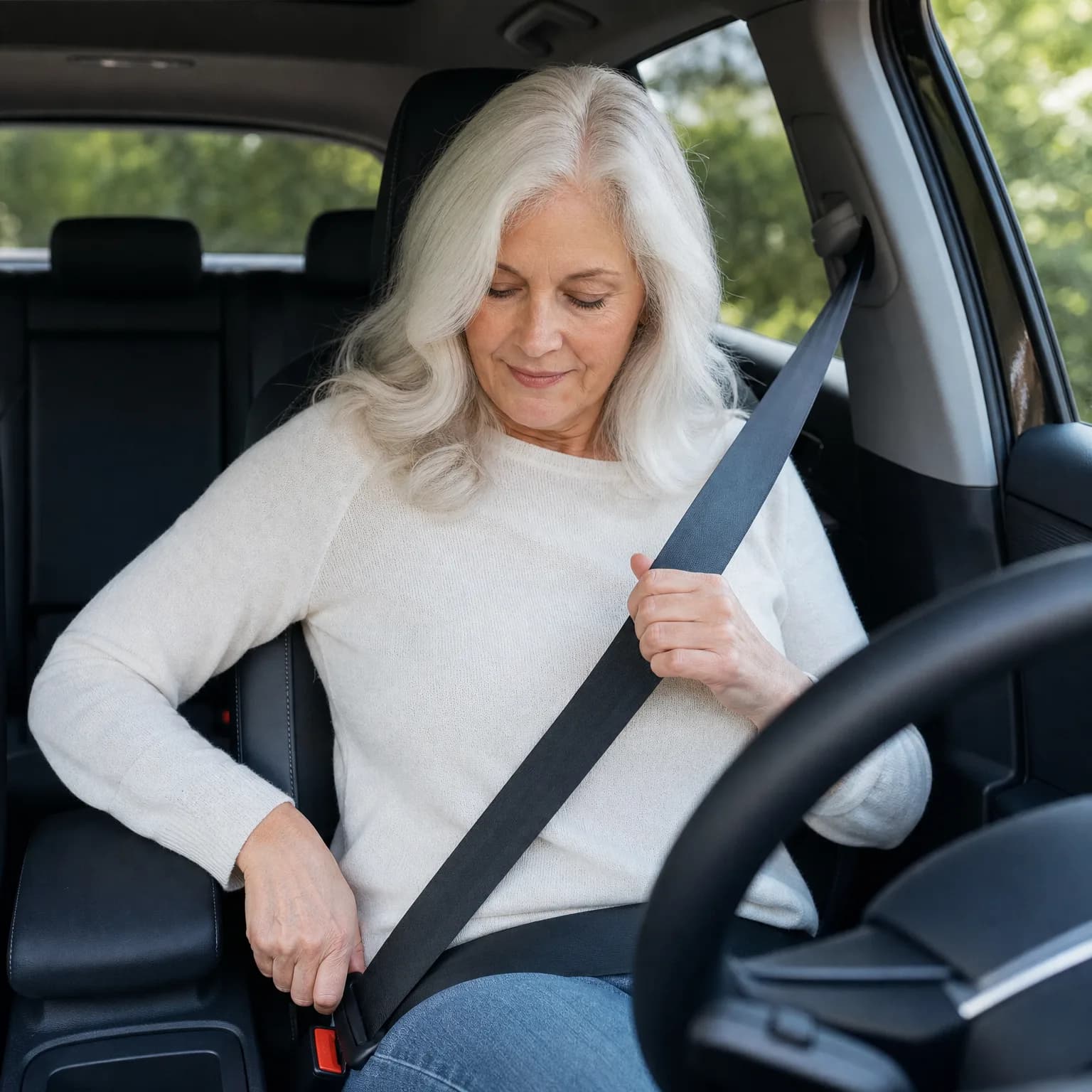
How to Voluntarily Surrender Your Wisconsin Driver's License
You surrender your Wisconsin driver's license by submitting it in person at any DMV service center or mailing it to the Wisconsin Department of Transportation, Driver Records Section, PO Box 7995, Madison, WI 53707-7995. Include a signed letter stating your intent to voluntarily surrender the license. The DMV processes the surrender within 5 business days and updates your driving record to show the surrender date.
The surrender date determines your insurance refund calculation. If you surrender mid-policy term and notify your carrier within 10 days, most Wisconsin carriers will calculate your refund from the surrender date rather than the notification date. Missing that 10-day window means the refund period starts when the carrier receives your cancellation request, not when you stopped driving legally.
No fee applies to license surrender. The DMV does not require a reason, though documenting a voluntary surrender rather than a medical revocation can matter if you later apply for a state ID or if your household insurance structure changes and the carrier reviews your prior coverage history.

Replacing Your License with a Wisconsin State ID Card
Wisconsin issues a state identification card that serves as legal photo ID after license surrender. You apply for the ID at any DMV service center using form MV3004. Bring proof of identity (birth certificate, passport, or prior license), proof of Social Security number, and proof of Wisconsin residency. Two documents showing your current address are required.
The ID costs $28 and remains valid for eight years. If you're 65 or older at the time of application, the fee drops to $20. You can apply for the ID on the same day you surrender your license, but the DMV processes them as separate transactions. Expect the ID card to arrive by mail within 10 business days.
If you surrender your license by mail, you cannot apply for the state ID by mail. You must visit a service center in person with the required documents. Some service centers offer appointment scheduling through the DOT website, which reduces wait times during peak hours.
How to Request an Insurance Refund After Stopping Driving
Contact your insurance carrier within 10 days of surrendering your license and request policy cancellation with a prorated refund. Provide the exact surrender date from your DMV confirmation. Most Wisconsin carriers calculate refunds using the short-rate method, which applies a 10% administrative fee to the unused premium, or the pro-rata method, which refunds the exact unused portion without penalty.
Carriers are not required to use pro-rata refunds for voluntary mid-term cancellations. If your policy includes a multi-car discount or household bundling, removing your vehicle may increase rates on remaining vehicles rather than generating a refund. Review your full household policy structure before canceling to confirm the net financial effect.
Refunds typically process within 14 to 21 days after the carrier receives your cancellation request and confirms license surrender with the DMV. If you financed your vehicle and the lienholder is named on the policy, the refund check may be issued jointly to you and the lender. Direct notification to your carrier, rather than relying on automated DMV reporting, shortens the refund timeline and reduces the risk of a coverage lapse notation.

Find Coverage That Fits Driving Past 75
Compare Auto Insurance for Drivers 75+
What Happens to Your Insurance Rate If You Keep Coverage Without Driving
Wisconsin allows you to maintain insurance on a registered vehicle even after surrendering your license, but carriers treat non-driver policies differently. Some carriers offer parked-vehicle or storage coverage, which maintains comprehensive protection against theft, fire, and weather damage while removing liability and collision. This coverage costs 40% to 60% less than a standard policy.
Other carriers will not write a policy on a vehicle with no licensed driver in the household. If you surrender your license and your spouse or another household member continues driving, the policy remains active under their name as the primary operator. If you are the sole licensed driver in the household, most carriers require you to either cancel the policy or list another licensed household member as the primary operator.
Maintaining continuous coverage even after stopping driving can preserve your household's insurance history if you later need to add a driver or if the vehicle remains registered for occasional use by visiting family members. Under current Wisconsin insurance regulations, a gap longer than 30 days can result in higher rates when coverage resumes, even if the gap occurred during a period of legitimate non-driving.

Wisconsin's Mature Driver Course and Its Effect After License Surrender
Wisconsin requires carriers to offer a discount of at least 10% to drivers aged 55 and older who complete an approved mature driver safety course. AARP Smart Driver and AAA RoadWise Driver are the two most widely recognized programs in the state. The discount remains active for three years from course completion and can be renewed by retaking the course.
The discount does not apply after license surrender. Once the DMV processes your surrender and updates your record, you are no longer an active driver, and the mature driver discount no longer qualifies. If you completed the course within three years of surrender and later reinstate your license, some carriers will honor the remaining discount period without requiring recertification. Carrier policy varies, so confirm reinstatement discount eligibility before assuming continuity.
If you're considering surrender but haven't yet decided, completing the mature driver course before surrender locks in the discount through its three-year term and can reduce premiums during the decision period. The course costs $20 to $25 for AARP members and $25 to $30 for non-members through AAA.
When Voluntary Surrender Avoids a Coverage Lapse Notation
A coverage lapse appears on your insurance record when a policy cancels without a replacement policy starting on the same day. Carriers report lapses to the state, and the notation remains visible for three years. Voluntary license surrender followed by immediate policy cancellation does not create a lapse if you notify your carrier and document that you are no longer legally driving.
The distinction matters if your household structure changes. If you later add a licensed driver to your household or if your spouse needs to obtain a new policy after your surrender, carriers review prior coverage history. A lapse notation can increase quoted rates by 15% to 30%, even if the lapse occurred for a legitimate reason. Voluntary surrender with documented notification avoids this penalty.
To preserve your record, request written confirmation from your carrier that the policy cancellation is due to license surrender, not non-payment or non-renewal. Keep this confirmation with your DMV surrender receipt. If your household later shops for coverage and a lapse notation appears, these documents support a correction request to the carrier and the Wisconsin Office of the Commissioner of Insurance.
Frequently Asked Questions
Do I need to surrender my Wisconsin license if I stop driving temporarily?
No, Wisconsin does not require surrender if you stop driving temporarily due to medical recovery or seasonal decisions. Your license remains valid through its expiration date unless you choose to surrender it or the DMV revokes it based on a medical report. Temporary non-driving does not affect your license status or renewal cycle.
Can I get my license back after voluntarily surrendering it in Wisconsin?
Yes, you can apply for license reinstatement after voluntary surrender by completing a new driver's license application at any DMV service center. You must pass the knowledge test, vision test, and road test as a new applicant. Wisconsin does not offer an expedited reinstatement process for voluntary surrenders, and prior driving history does not exempt you from testing requirements.
Will my insurance refund amount change if I wait to cancel after my license expires?
Your refund calculation is based on the number of unused days remaining in your policy term, not your license status. Waiting until license expiration rather than surrendering mid-term does not increase your refund. If your policy renews automatically before you cancel, you will owe premium for the new term even if you stopped driving before renewal.
Does Wisconsin report voluntary license surrender to insurance carriers automatically?
Wisconsin DMV updates your driving record within 5 business days of processing your surrender, but carriers do not monitor records in real time. You must notify your carrier directly to trigger policy cancellation and refund processing. Relying on automated DMV reporting delays your refund and may result in continued premium billing for coverage you no longer need.
Related Articles
Surrender Driver's License Idaho: Process & Insurance
4/29/2026

Surrender License in WA: ID Card, Insurance Refund Steps
4/29/2026

Surrendering Your License in Minnesota: ID and Insurance Steps
4/29/2026

Stop Driving in SD: License Surrender & Insurance Refund
4/29/2026

Wyoming License Surrender & Insurance Refund Steps
4/29/2026

Stop Driving in Hawaii: License Surrender & Refund Steps
4/29/2026